IMG-20190222-WA0071

Smallholder Agricultural Mechanization Project (SAMP) Launched by AG. UW Regional Min.

The Smallholder Agricultural Mechanization Project (SAMP) is a project which seeks to improve the incomes and agricultural productivity of 15,000 smallholder farmers in the Upper West Region through increased access to mechanization services of simple and affordable machinery that will also not disturb the soil structure.

Addressing participants at the launch of the project in Wa on Thursday 5th April, 2018, the Ag. Upper West Regional Minister Hon. Amidu Chinnia Issahaku said that smallholder farmers are the main producers of the world’s food and they will have to increase production up to 100% by 2050 if we want production to be in tandem with feeding the growing population.

He mentioned that as part of efforts aimed at creating an enabling environment for increased agricultural production and productivity, Government has subsidized fertilizer prices for farmers by half of its original market price, made available improved seeds and also initiated moves to build warehouses in every region to store produce after harvest to prevent post- harvest losses.

He added that the buffer stock company has been revived to provide ready market for farm produce.

He however appealed to the project implementers to ensure the effective participation of the rural farmers in the implementation process so that their rich experiences and know how will feed into the future of the project.

The Ag. Regional Minister cautioned that the rural farmers’ expertise should not be underestimated because they have adopted strategies to withstand all challenges and difficulties over the years. Hon. Chinnia Issahaku later commended Agro Africa and the project partners for this laudable initiative and appealed to farmers to take advantage of the benefits of this project in the Region.

On his part, the Programme Officer for Financial Inclusion for Smallholder Farmers in Africa Project (FISFAP) and Alliance for a Green Revolution in Africa (AGRA), Mr. Paa Kwasi Awuku – Darko said the overall goal of FISFAP is to reduce food insecurity and increase the income of over 700,000 smallholder farmers in Ghana, Kenya and Tanzania by 2020 through enhanced access to affordable and appropriate financial and non – financial services. He mentioned that in Ghana, FISFAP will directly impact 200,000 smallholder farmers.

Mr. Darko added that mechanized ploughing has become necessary in many places under the current farming systems when animal traction is not an option. Tractor service market has quietly started to develop and tractor owners are often relatively medium and larger farmers that also provide hiring services to smallholder farmers.

Mr. Darko further added that AGRA through the MasterCard Foundation has supported Agro Africa and Tro Tro Tractor to develop a pool of 350 tractor service operators to offer hiring services for Agricultural Machinery through an innovative technology platform Tro Tro Tractor Limited for 15,000 smallholder farmers in the Upper West Region.


IMG-20190222-WA0088

Sensitisation Workshop

The Office of the Head of the  Local Government Service in collaboration with the Upper West Regional Coordinating Council had on Monday 17th September 2018 organized a Regional sensitization workshop on the inter-service and sectorial collaboration and cooperation system at the upper West Regional Coordinating Council.  The workshop was organized to enhance and improve the existing collaboration and cooperation among institutions and agencies of state.
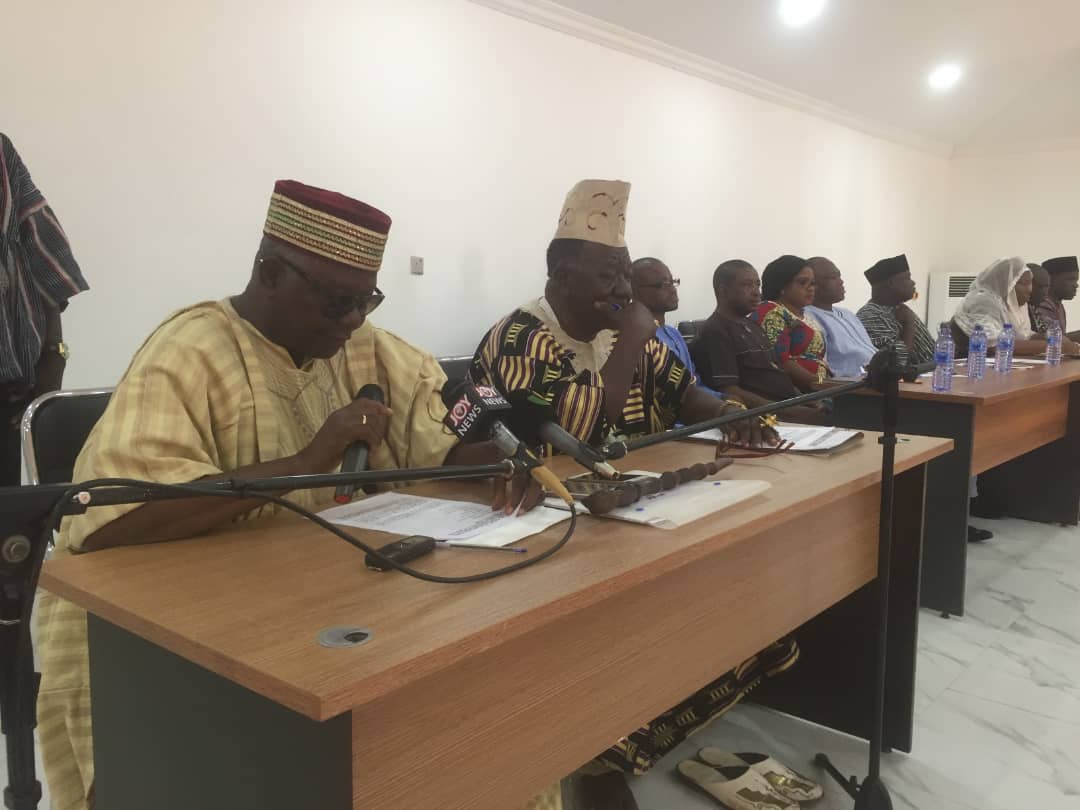
The Deputy Regional Minister, Hon Amidu Chinia in his address indicated that the decentralization program embarked upon in the country seeks to provide quality service to the people particularly at the local level. He said Citizenry on their part was very conscious of their right.

According to him, the Local Government Service was not the only public service organization that provides public service at the local level and that there were other public sector organizations under the constitution that equally have the mandate to also provide services to the constituents at the local level.

“These organizations have two things in common. Firstly, they are all established to provide services to the people and secondly, they derive funding from the state purse” he noted

As such, it was therefore important that the state organizations collaborate and cooperate among themselves and in turn with non-state actors to improve on service delivery.

“Inter service and sectorial collaboration and cooperation will also encourage planning and implementation of programs and projects among various services, sectors and departments both at the Regional and District levels.  Hence the need for inter-service and sectorial collaboration at the local level cannot be over emphasized” he explained

He further saluted the Office of the Head of the Local Government Service for taking the initiative to embark on the nationwide sensitization program on the need for inter-service and inter sectorial collaboration and cooperation.

The Director of Policy, Budget, Planning, Monitoring and Evaluation, Mr. Gregory Ada who delivered an address on behalf of the Head of Service indicated that the inter-service and sectorial collaboration and cooperation system was developed for adoption and used by all partners on the strength of the provision in the Local Governance  Act 2016, [Act 936] section 63[4] [C] which states that “ The Head of Local Government Service shall  establish systems of effective inter-service and sectorial collaboration and cooperation between the service and other public service to harmonize local programs and avoid duplication with the approval of the council”.

“ The Local Government Service acknowledges with gratitude the collaboration and support of key stakeholders from MDAs, Public Service, Regional Coordinating Councils, MMDAs and other institutions in the development and institutionalization of this system” he explained

He noted that the expected impacts from implementing the inter-service and sectorial collaboration and cooperation system included, enhanced holistic planning, reduced institutional conflicts, judicious use of resources, improved participation, transparency and accountability in service delivery, improved local economy, poverty reduction, employment generation and general rise in household income, enhanced social cohesion, gender mainstreaming in service delivery and improved environmental conditions.

The Upper West Regional Coordinating Director, Alhaji Abdulai Abubakar on his part assured the team from the Office of the Head of the Local Government Service that practicing inter-service and sectorial collaboration and cooperation had been the hall mark for the Upper West Region for some time now and that they would continue to collaborate and network so that development would be extended.

IMG-20190222-WA0006

RHC Story

The acting Upper West Regional Minister Hon. Amidu Chinnia Issahaku has called on Traditional leaders in the Upper West Region to stop negative activities hampering on the development of the region.

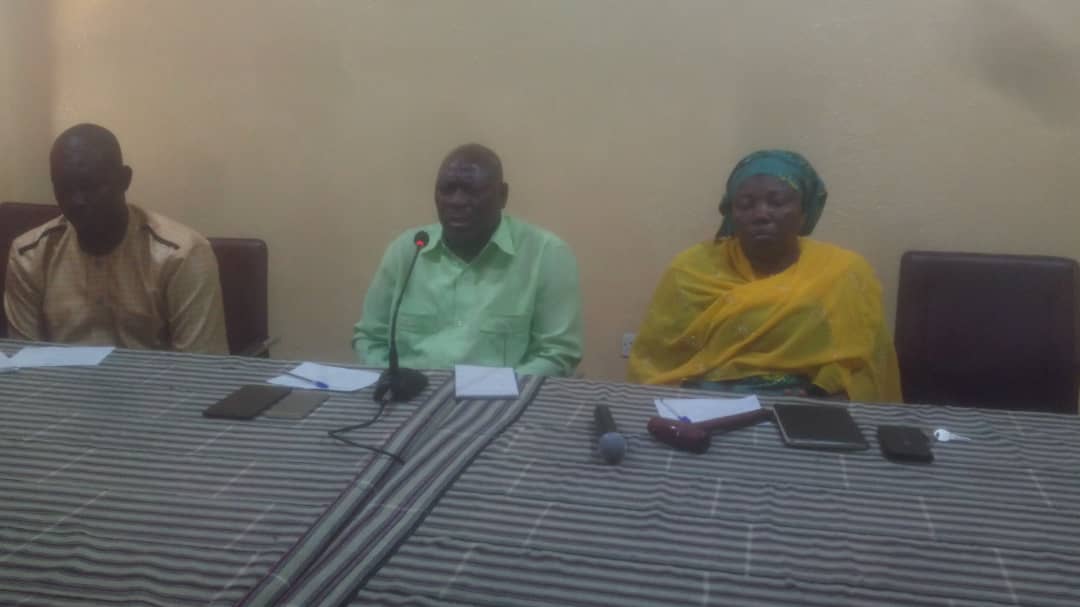
He made this call when he addressed the general house of the Upper West Regional House of Chiefs meeting on Friday, March 2, 2018 at the Royal Cosy Hotel in Jirapa (popularly called Jirapa Dubai).

Hon. Amidu Chinnia in his address said the destructive floods in some parts of the country lately could be largely blamed on indiscriminate felling of tress, bad farming practices and the activities of illegal miners.

He therefore called on Chiefs and politicians who endorse the felling of rosewoods to stop as it destroys the vegetative cover and the resultant effect is the uncertain rainfall pattern we experience lately. He said care must be taken by all actors in the communities and tasked traditional authorities to stop such activities that destroy the environment.

Hon. Amidu Chinnia used the occasion to appeal to traditional leaders in the Region to help release lands for the One- Village, One- Dam project which is expected to facilitate farming in the dry season and create jobs for the youth thus reducing the migration of the youth to the South in search of non-existing jobs.

He later commended the Regional House of Chiefs for organizing an interface meeting with Municipal and District Chief Executives to discuss issues relating to the development of the region. This he said would deepen the relationship between Chiefs and the Assemblies.

On his part, the President of the Upper West Regional House of Chiefs, Kuoro Richard Babini Kanton VI commended the Chief Executive Officer of Royal Cosy Hill Hotel Mr. Eric Johnson for hosting them in such a magnificent edifice and urged other well-meaning citizens of the region to emulate such examples rather than investing their resources outside the Region.

Kuoro Richard Babini however bemoaned the falling standards of Basic Education Certificate Examination (BECE) performance in the recent past. He called on traditional authorities to periodically visit schools to motivate both teachers and pupils as a means to reverse such falling standards and improve on the performance of candidates.

He urged the District Assemblies to collaborate more with traditional leaders to develop innovative ways of partnering with the private sector to explore the opportunities in their respective areas that will create jobs for the teeming unemployed youth to propel development.

Kuoro Richard Babini Kanton pleaded with Government to scale up financial assistance given through the Medium and Small Loans Centre (MASLOC) to traders, farmers, fisher folks and the entrepreneurial youth to enable them engage more in businesses that would improve economic activities in the Region.

He cautioned all and sundry to stop the indiscriminate disposal of waste in drains to avert flooding as we enter the rainy season.

Present at the general meeting were the Municipal and some District Chief Executives from the Region.

IMG-20190222-WA0078

Staff Durbar

The Upper West Regional Minister Hon. Alhassan Sulemana at the first 2019 staff durbar on Thursday, 17th January, 2019 called on staff of the Upper West Regional Coordinating Council to remain committed and hardworking in the discharge of their duties. The staff durbar that is held twice or thrice every year, creates the avenue for Staff and Management to interact, and address key issues bothering the organization by find lasting solutions to such concerns to enhance service delivery.

The Minister commended staff for their dedication to duty over the years and charged all staff to remain committed and go the extra miles in discharging their work schedule so as to improve service delivery in the year 2019. He added that, his observation during 2018 was that, many staff were hardworking whiles others were not as committed in the discharge of their duties at work as they could have been. He advised staff to put up their best whichever level they find themselves, and always try to share ideas at work and learn best practices from each other. “Wherever you find yourself at work, always try to be the pivot point or center of the organization and share ideas with one another because wisdom is not in one person’s mind. You might think you are the only one who knows much or you are the best at work until you get closer to others to share ideas” he noted.

Hon. Sulemana encouraged staff to be punctual at work and avoid rumor mongering and other unhealthy workplace practices. He said, rumor mongering breeds suspicions and leads to petty squabbles that kill organizational progress. The Minister assured staff that his doors were opened to all and called for all hands on deck in pushing the developmental agenda of the region forward in order to fulfil the vision of His Excellency the President for the Upper West Region.

The Deputy Director and Head of Central Administration, Mrs. Fati Issahaku Koray disclosed at the durbar that punctuality to work was a key area that would be monitored this year to enhance better service delivery and that officers who absent themselves from work without permission would be queried and sanctioned. She said such attitude retrogress organizational success and must be stopped. She also thanked the Regional Minister on behalf the staff for his open door policy that make him accessible to staff to address their issues.

A key challenge noted at the durbar was the lack of official vehicles for the Upper West Regional Coordinating Council. Consequently, staff of the RCC are calling on Government to as a matter of urgency come to their aid by procuring some vehicles for the RCC. It was noted that the Regional Minister and his deputy are currently using old and weak V8 Land Cruiser registered 2010, and Toyota Prado respectively making maintenance expensive.

IMG-20190222-WA0069

The Upper West Mourns

The Upper West Regional Coordinating Council mourns  Fifty nine year old  Upper West Regional Coordinating Director Alhaji Abdulai Abubakari. The indomitable and hard working Regional Coordinating Director  who hails from the Upper West Region  passed on at the   Wa regional hospital on 22nd December 2018 after a short illness.

The late Alhaji Abdulai started his career progression as Assistant Director IIB in May 1991 and rose through the ranks in civil service to become acting Regional Coordinating Director from 2015 up till date. Alhaji Abdulai also served as an account clerk and administrative officer for Farmers Services company and Ghana Local Government service from 1983-1985 and 2010 up till date respectively.

The late Alhaji Abdulai was the Chairman of the Upper East Regional Coordinating Council Regional development strategy from 2013 to 2014 as well as Upper East Regional Coordinating Council representative on the Pwalugu multi-purpose dam project. The late  Upper West Regional Coordinating Director attended several conferences including Human capacity building programme and conference of Coordinating Director’s among several others.

The late Alhaji Abubakar Abdulai obtained his O level certificate from Kanton Secondary School in 1978 and advanced level from Navrongo Secondary School in 1980. He proceeded to University for Development Studies UDS where he obtained Master of Philosophy Degree in Development Studies in 2007 and proceeded with his PHD in Endogenous Development from the same University.

The experienced administrator has served as Coordinating director for then Garu-Tempane District Assembly, Bolgatanga Municipal Assembly.

He was later appointed as the AG Regional Coordinating Director of the Upper East Regional Coordinating council. In July 2017, Mr Abdulai Abubakari accepted  posting to the Upper West Region where he comes from to head the Region as the Regional Coordinating Director. He served the Region diligently in making upper west region a better place until his untimely demise. Alhaji Abdulai Abubakari was a hard working and liberal administrator who believed in delegation and team work in getting good results at work.

Head of Local Government Service Dr  Engineer  Nana Atto Author and various Chief Directors/RCDs across the country were present at the final funeral rite of late Alhaji Abdulai Abubakari in Wa.

The Hon Upper West Regional Minister, Alhaji Alhassan Sulemana, described  the late RCD as a big asset lost from the Upper West Region and would be forever remembered for his good deeds and hard works in bringing development to Upper West Region. He said since his assumption of office as the Upper West Regional Minister, late Alhaji Abdulai had played a very important key role in most of the successes achieved so far in the Region.

He left behind a wife and four(4) children. May the good Lord grant him a peaceful rest. Rest well Sir .

IMG-20190222-WA0088

VIERI to Get an Agric College Soon – Hon UW Reg. Minister Reveals

The Upper West Regional Minister, Hon. Alhaji Alhassan Sulemana has revealed that plans are far advanced for the government to build an agricultural college in Vieri, in the Wa West District of the Upper West Region.  He said, the project which will start this year, would not only facilitate development in the area, but would also help provide agricultural training to the people in the district, region and the country at large.  The Regional Minster revealed this on Monday, at Vieri, during the Seontaa Boor Festival of the Daga-wiile community in and around Vieri.

The festival which was the second of its kind was aimed at promoting the culture of Daga-wiile community as well as the development of the area.  Alhaji Sulemana noted that the government was committed to developing the agricultural sector of the nation’s economy hence the need to develop the technical know-how of the people in the area of agriculture.  The government is also coming into partnership with a technical firm in Agric and I am happy to announce that Vieri is going to get an Agric college this year the minister said.

Hon. Sulemana also identified some major road networks to commence by February 1, this year.  Others, he identified included:  Ga-Wachiau-Dorimon-Wa Road, Wechiau-Balawa road all in the Wa West District.  The Regional Minister also touched on some government policies including: the Planting for Food and Jobs, One-Village, One-Dam, Free Senior High School and the impending Rearing for Food and Jobs, which is geared towards fostering national development.  Hon. Sulemana, therefore urged the people to support the government in the implementation of its programmes and policies; to transform the economy of the nation for the betterment of all.

In a message on his behalf, the Member of Parliament (MP), Wa West Constituency, Hon. Joseph Yiele Chireh urged the people of the Daga-WiIle community to uphold the festival to serve as a medium of cultural transition from the older to the younger generation.  He also cautioned the youth against alcoholism and hard drugs, which he said were inimical to their health and appealed to the people to sign onto the National Health Insurance Scheme to help reduce their cost to accessing to quality health care in the country.

Some students in the area who participated in quiz and debate competitions were awarded with text books and other educational materials for their performance in the exercise, while other people and groups who participated in other activities including dancing and craft were also awarded.


IMG-20190222-WA0082

With the Right Technical Know-how Provided to Farmers, There Will Abundance of Food in the Region – UWR Min Reveals

The Upper West Regional Minister, Hon Alhaji Sulemana Alhassan in his interaction with the media during a site inspection of a One Thousand-Metric-Tonne Capacity Warehouse on Monday, 21st January, 2019 at Bulenga in the Wa East district, revealed that with the right technical know-how provided to farmers in the region, there will be enough produce from farmers to feed the region and other parts of the country.

The Minister during the inspection of the project, described Wa East District as one of the major food baskets in the region and asked the consultant of the project to speed up with work in order to meet the deadline for completion of the project by March 2019.  He indicated that even though there was enough produce, the major challenge confronting farmers in the region was how to preserve what has been produced to prevent post-harvest losses. He added that, the project when completed will serve as a storage facility in preserving food produced by farmers and would also motivate them to produce more since post-harvest losses would have been reduced considerably.

According to him the second year of the Planting for Food and Jobs Program received a significant increase in the number of beneficiaries. As such, there is food in abundance in the region. The provision of a warehouse in the region is therefore apt and timely. “We all know His Excellency the President of the Republic of Ghana’s vision of building Ghana beyond aid requires progress in all spheres of our lives as a people. If we all contribute our quota greatly within the next few years, Ghana would be a food basket for the whole of Africa and beyond and make us food self-sufficient”, he noted.

Hon. Sulemana described as very satisfactory, the recovery of debts owed the state by farmers under the Planting for Food and Jobs (PFJ) program in the Region. He said, with an average of about sixty five percent (65%) of debt recovered from farmers, the region is well positioned to give more inputs since they are assured of repayment of credit facilities offered to farmers. He however cautioned all defaulting farmers in the various districts to settle their debts to ensure the continuance of the program.

He disclosed that government sanctioned an audit into the activities of the various Municipal and District Chief Executives along with their Directors of Agriculture to ensure that all the inputs were put to judicious use. He said the completed report would be made available to the public to ensure transparency and accountability on the part of government.

Similarly, the Upper West Regional Director of Agriculture, Mr Emmanuel Sasu Yeboah speaking to the media said, efforts were being made to ensure that farmers pay back the inputs supplied under the Planting for Food and Jobs Program. He encouraged all defaulting farmers to pay their debts for the program to continue.

On the region’s food security, Mr Sasu Emmanuel indicated that he was very confident that with the abundance of food in the region, the region in a few years to come, will start supplying the neighboring countries like Burkina Faso and Ivory Coast with food. He said Upper West Region used to be a region with food shortages but since the introduction of the Planting for Food and Jobs Program two years ago, the story had changed and there is no longer food shortages in upper West Region.

The One Thousand Metric Tonnes Warehouse project under construction at Bulenga in the Wa East District is expected to be completed in March, 2019. Another warehouse that the Hon. Regional Minister and his entourage visited was that of Antika Company Ltd where over one thousand bags of maize were stored. The company also employed over hundred women for processing the farm produce for storage in the warehouse. 

Mr Antika took the Regional Minister round his company and commended him for the visit to have an insight of what is happening in his company. Additionally, Mr Antika who is a beneficiary of the Planting for Food and Jobs Program, commended government for the initiative and explained with joy how the program has boosted his company.


WhatsApp Image 2019-02-19 at 13.03.13

GJA Newly Elected Executives Pay Courtesy Call On Upper West Regional Minister

The newly elected Upper West Regional Executives of the Ghana Journalists Association [GJA] led by its Chairman Mr. Suala Abdul Wahab and some immediate past executives on Thursday, 18th January, 2018 paid a courtesy call on the Regional Minister Hon. Alhaji Sulemana Alhassan in his office.

Alhaji Abdulai Abubakar, the Regional Coordinating Director who welcomed the delegation said the RCC was prepared to work closely with the GJA to deepen the cordial relationship between the GJA and the RCC. The Chairman of the Association, Mr. Suala Abdul Wahab said the call was to officially introduce the newly elected executives of the GJA to the Regional Minister and to also pledge their support to the development of the Region.

Mr. B.D. Pobia the immediate past GJA Chairman (a retired Chief Reporter for the Ghana News Agency) appealed to the Honourable Regional Minister for an office accommodation to be used as a press centre to aid the Association organize in- service trainings for upcoming media practitioners to promote professionalism among Journalists.

Madam Judith Bagiro a past treasurer for the Association and a retired GBC Director in the UWR, pleaded with the Hon Regional Minister to be patient with media practitioners in the region in their reportage.

The Regional Minister, Hon. Alhaji Sulemana Alhassan congratulated the newly elected executives for their elevation to the leadership position of the Upper West GJA.

He advised the executives to take their responsibilities seriously and work in the service of members of the Association. He urged the Association to organize special training for their members to sharpen their skills and knowledge.

Alhaji Sulemana appealed to the Association to help sell and market the region. This, the Minister believes will bring about professionalism in the reportage of their members.

Mr. Suala Abdul Wahab responding to the bad reportage of Journalists in the Region said most unprofessional conducts are usually not from GJA members but from other media persons who are not professionals. He assured the Hon. Regional Minister of the support of the Association in the developmental agenda of the Region.

WhatsApp Image 2019-02-19 at 16.51.26

UNICEF Donates Motor Bikes to Five (5) Districts in the Upper West Region

UNICEF Ghana in collaboration with the Government of Ghana under the Child Protection Programme donated five No. AG motorbikes, Five (5) No. computers and accessories under the programme in some selected Districts in the Upper West Region. According to UNICEF Ghana a strengthened child protection system would ensure justice for all children. All children would increasingly grow up in homes and communities that are free from violence, abuse and exploitation.

Addressing participants in a weeklong child protection program on Friday 22nd December, 2017 at the In- Service Training Center in Wa, the Upper West Regional Minister Hon. Alhaji Sulemana Alhassan said Government in collaboration with its development partners and civil society actors has been implementing a range of policies, programs and activities for strengthening the country’s child protection system.

Alhaji Sulemana said 39% of children between 5-17 years are engaged in some form of economic activity, mainly unpaid family works and apprenticeship or in low paid work primarily in agriculture and fishing. Of these nearly 20% (1.27 million children) were engaged in activities classified as child labor.

At the presentation ceremony of the five AG motorbikes to the beneficiary Districts, Hon. Alhaji Sulemana admonished them to take good care of the motorbikes to extend their lifespan.

The Regional Director for Community Development Mr. Moses Anabanga in his remarks said the five beneficiary districts were selected based on a 2016 special training for child protection they undertook.

Mr. Anabanga added that certain tools were developed using a designed Application during the training. According to him, the tools would be used to identify child protection challenges and how best these challenges could be addressed.

He further added that the Application would cover most aspects of child protection such as teenage pregnancies, child neglect and other vices against children.

The beneficiary Districts namely Wa Municipal, Daffiama/Bussie/Issa, Lawra, Lambussie and Sissala East were each given one AG motorbike with computers and their accessories.

WhatsApp Image 2019-02-19 at 13.00.23 (1)

Ghana Health Service Held A Regional Nutrition Review And Advocacy Meeting

Health, nutrition and population policies play a pivotal role in economic and human development and in poverty alleviation. Although many   Regions in the Country have nutrition policies or action plans, most have not been fully implemented and do not have a clear strategic path for implementation.

According to the Ghana Demographic Health Survey in 2008-2014, Malnutrition presents significant challenges to human health, especially in developing Countries. Children under malnutrition are still estimated to cause30% of all deaths of children less than 5 years of age. About 186 million children in the world are estimated to be stunted and 20 million to suffer from the deadly form of severe acute malnutrition each year. The Upper West Region under the community based management of severe acute malnutrition [CMAM] has reduced malnutrition from 13.9% in 2008 to 4.4% in 2014.

This was revealed by the Regional Director of the Ghana Health Services Dr. Teye Nuertey at a Regional Nutrition Review and advocacy meeting at the In-service Training Centre in Wa on Thursday 11th January, 2018. He disclosed that prevalence of food security has increased from 16% in 2004 to 18% in 2016. Stunting has reduced from 24.6% in 2008 to 22% in 2014.

The Regional Director added that the improved success chalked was as a result of consolidated efforts in maternal and child nutrition interventions. According to Dr. Teye the importance of interventions such as the micronutrients supplementation, growth monitoring and promotion, baby friendly hospital initiative, OFSP recipes, CMAM among others contribute significantly to the gains made in reducing child malnutrition indicators in the region. He commended UNICEF, SNV and JICA for their immerse contribution in the fight against malnutrition in the Districts and the Region at large.

Mr Eric Banye, the Programme Coordinator for SNV revealed in his presentation, the worrying forms of malnutrition according to a research carried out which included childhood stunting, anaemia in pregnant women and overweight adult women.

Rev. Prof. Saa Dittoh Joseph a researcher and a former Vice Chancellor at the University for Development Studies re-echoed the need for strict implementation of the policy document on nutrition and advised the public to stay away from chemicalization of food which is another cause of malnutrition. He however urged all participants to make good use of our locally produced foods whiles reducing the intake of GMO’s.

Speaking on behalf of the Regional Minister, A Deputy Director at the Regional Coordinating Council, Mrs. Fati Koray Issaka mentioned that Malnutrition is a developmental issue and a social canker which affects health, school achievements and sustainable development

Mrs. Koray added that malnutrition was directly caused by inadequate nutritious food intake, high rate of infectious diseases, poor hygienic practices, unclean environments, lack of clean potable water, low education levels and inadequate knowledge on appropriate infant feeding. The eradication of malnutrition in the region and Ghana as a whole will help in the attainment of the Sustainable Development Goal (SDG) 2 which is aimed at ending hunger, achieving food security, improve nutrition and promote sustainable agriculture.

She however urged other developmental partners and NGO’s that contribute to improving nutrition at the Local Government level to support by making considerations for nutrition budgetary interventions aimed at improving the nutrition situation in the Region.

Mrs. Fati Koray pledged the support of the Regional Coordinating Council in promoting actions that will reduce the burden of malnutrition and also support whatever initiative that was geared towards kicking malnutrition out of the Region.