657733307_1250331553939435_6640663857872932756_n

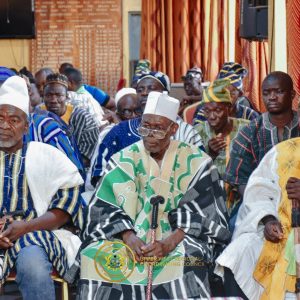
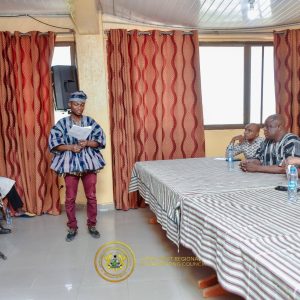
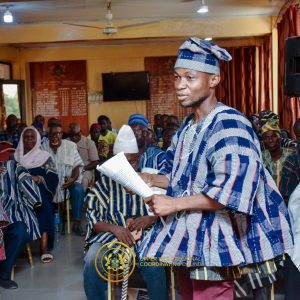
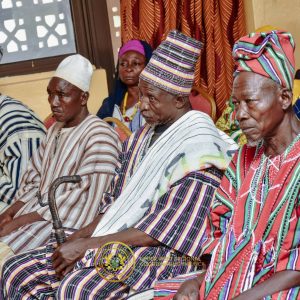
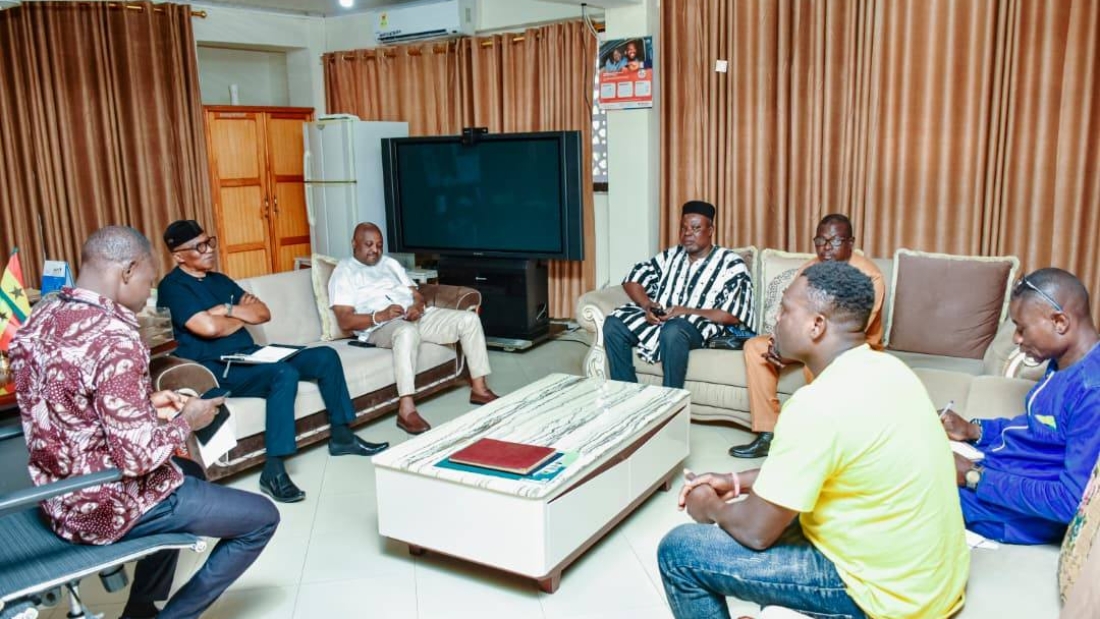
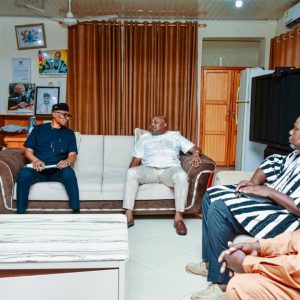
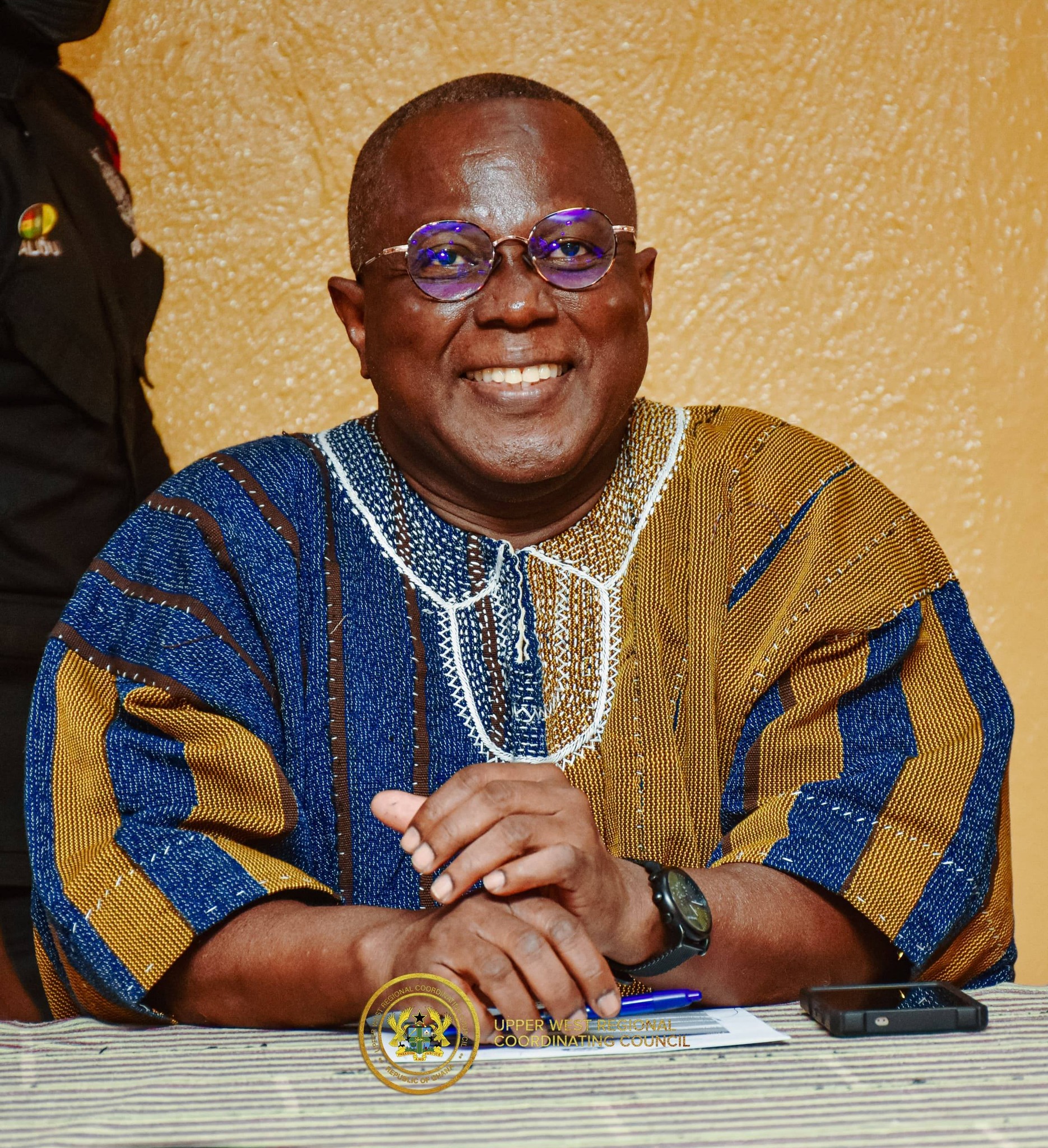
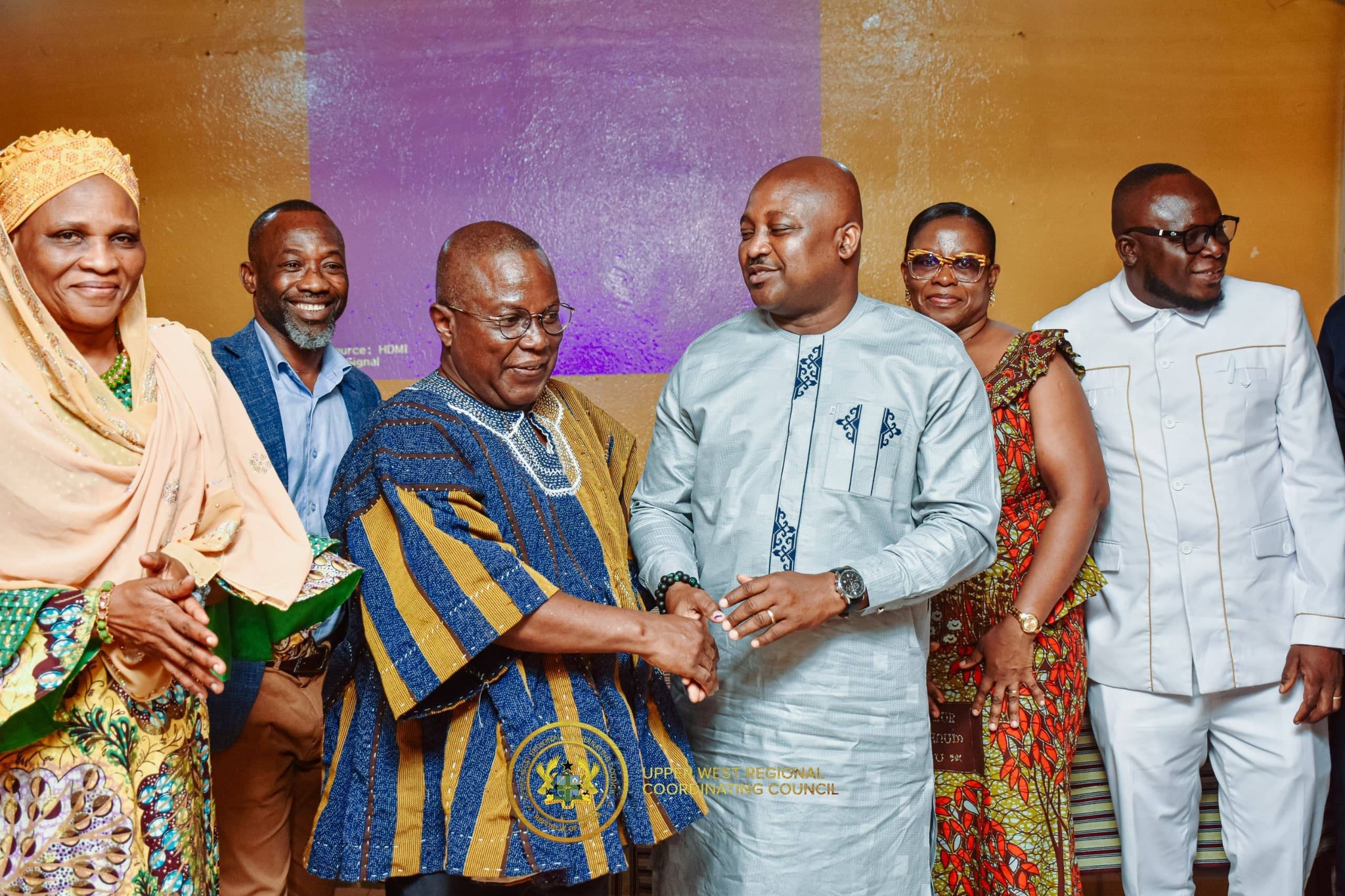
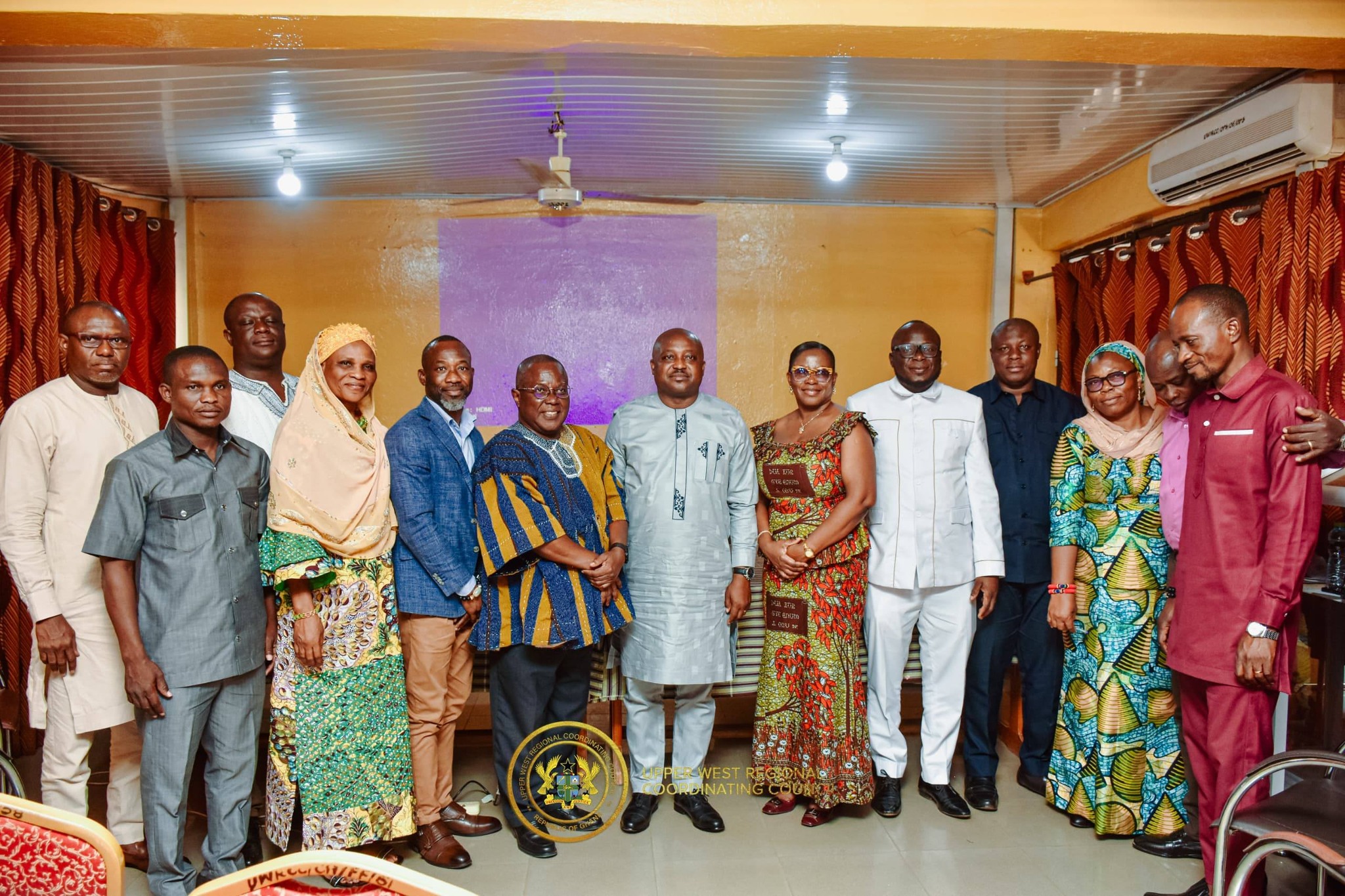
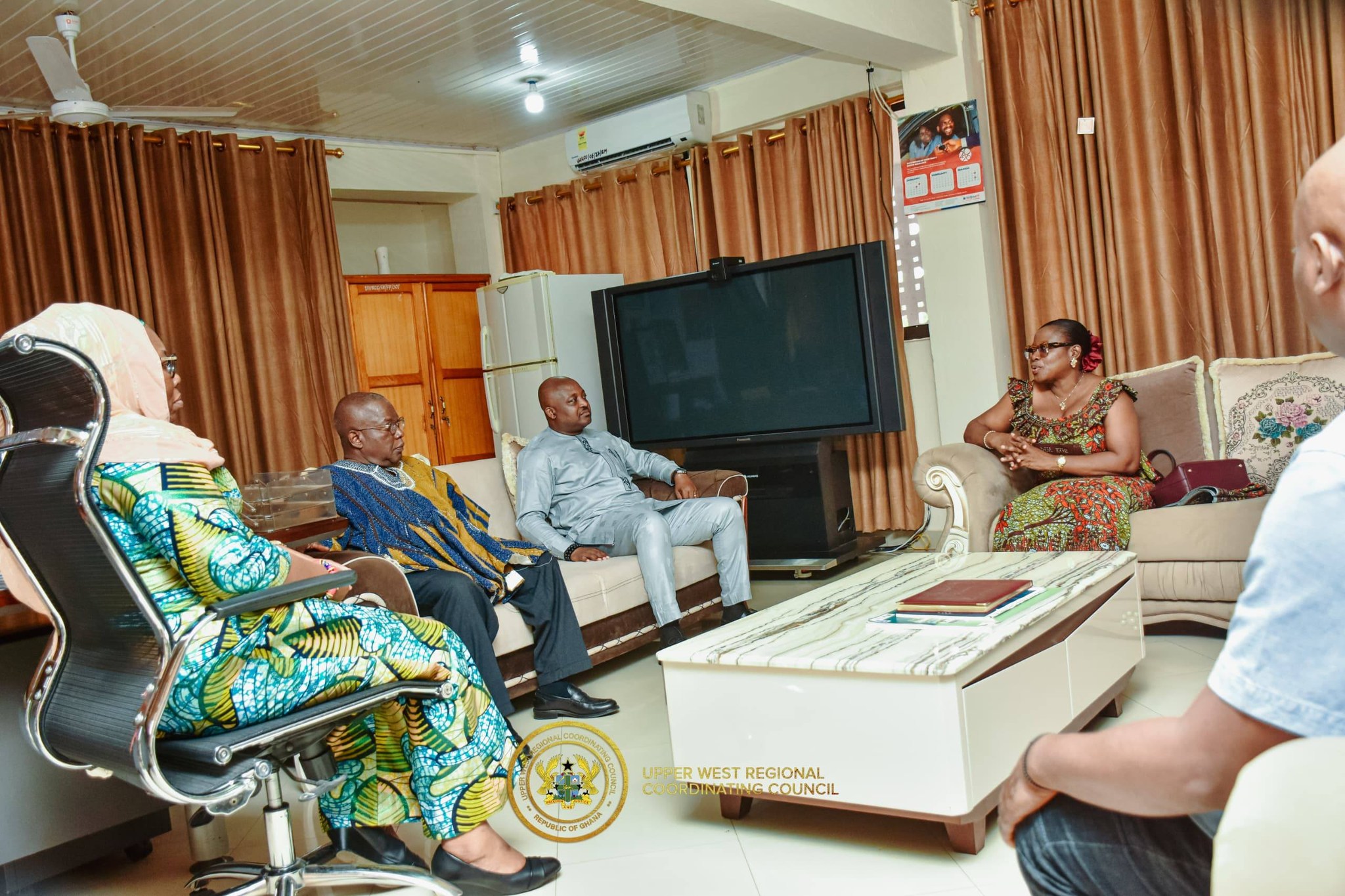
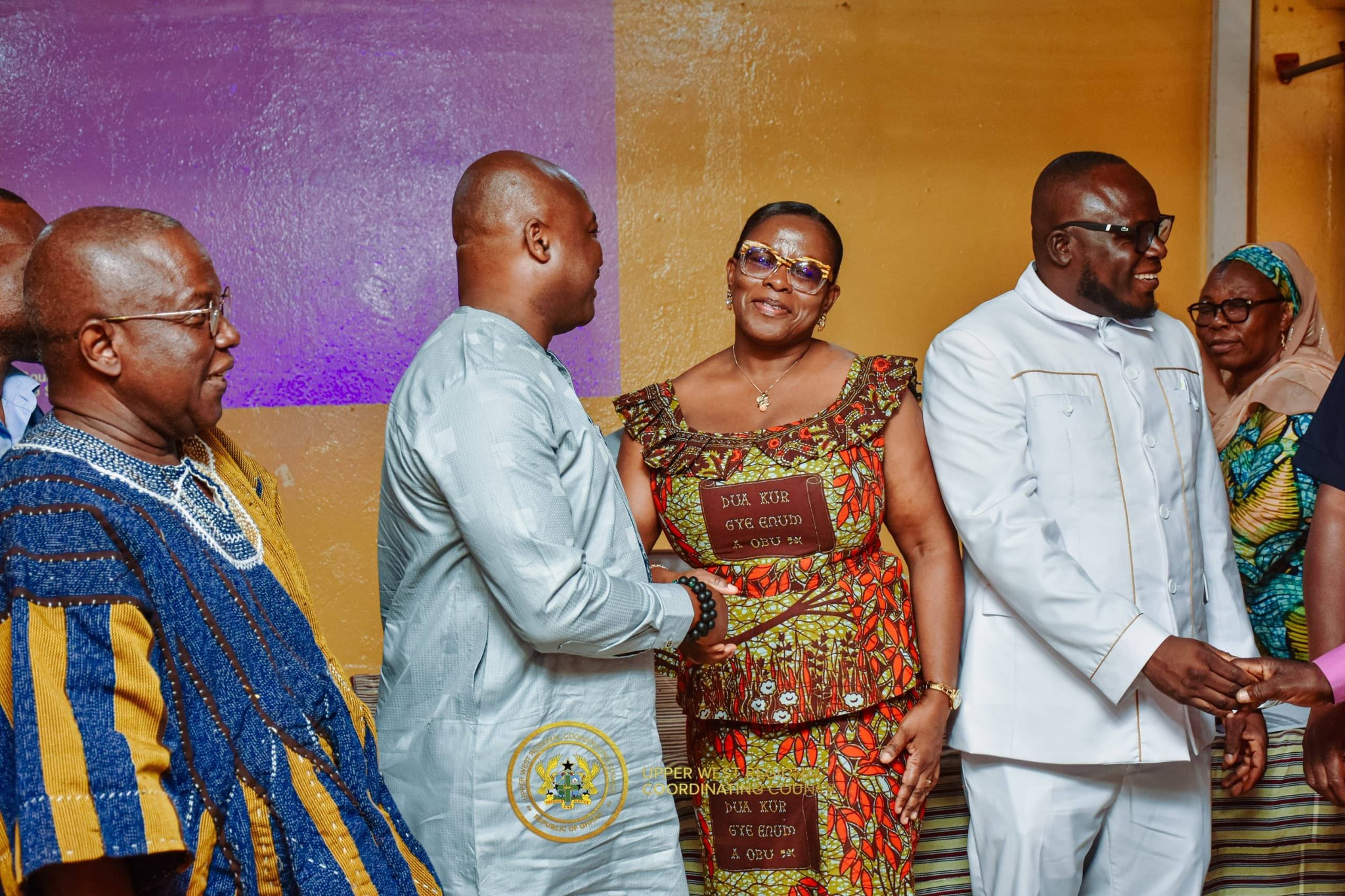
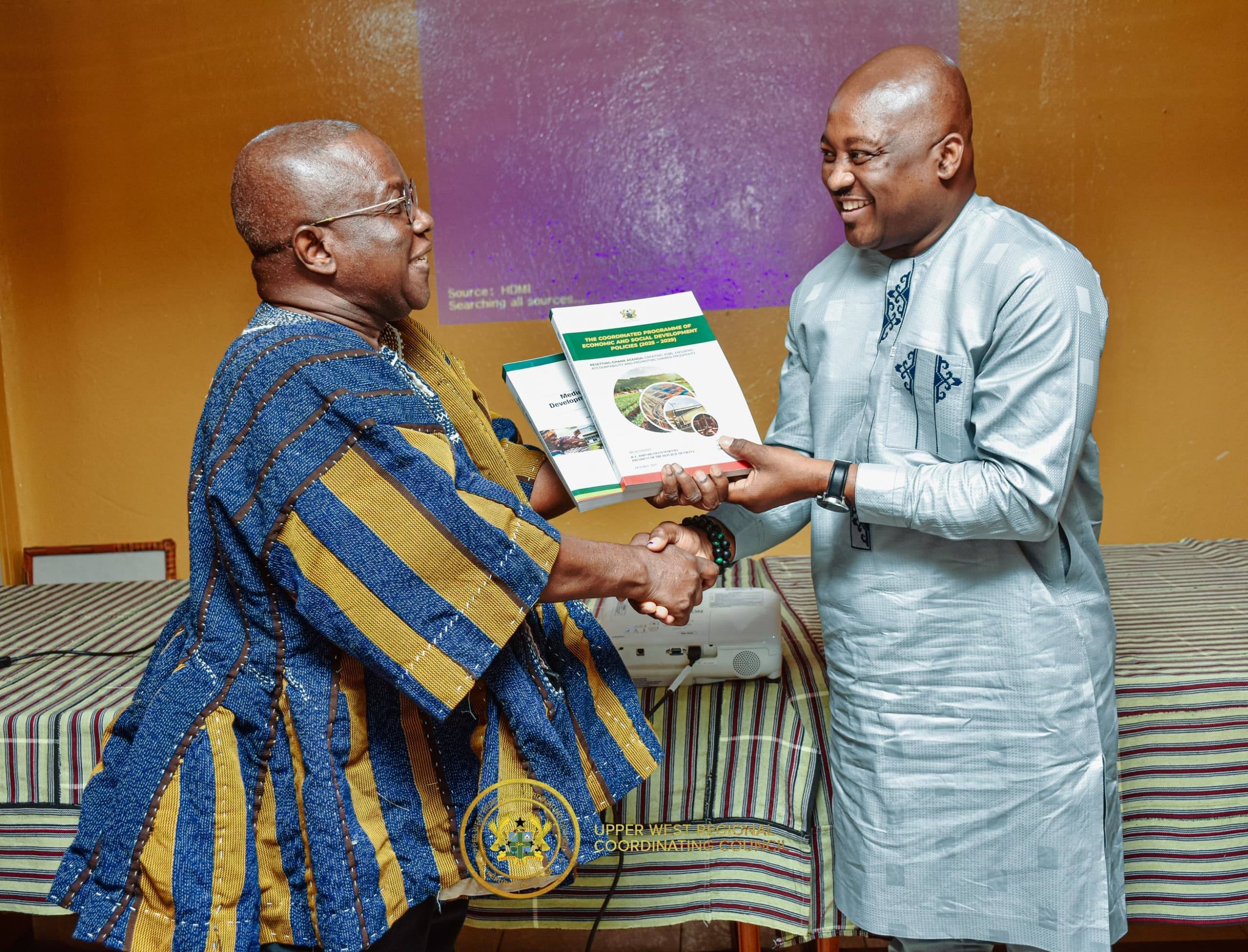
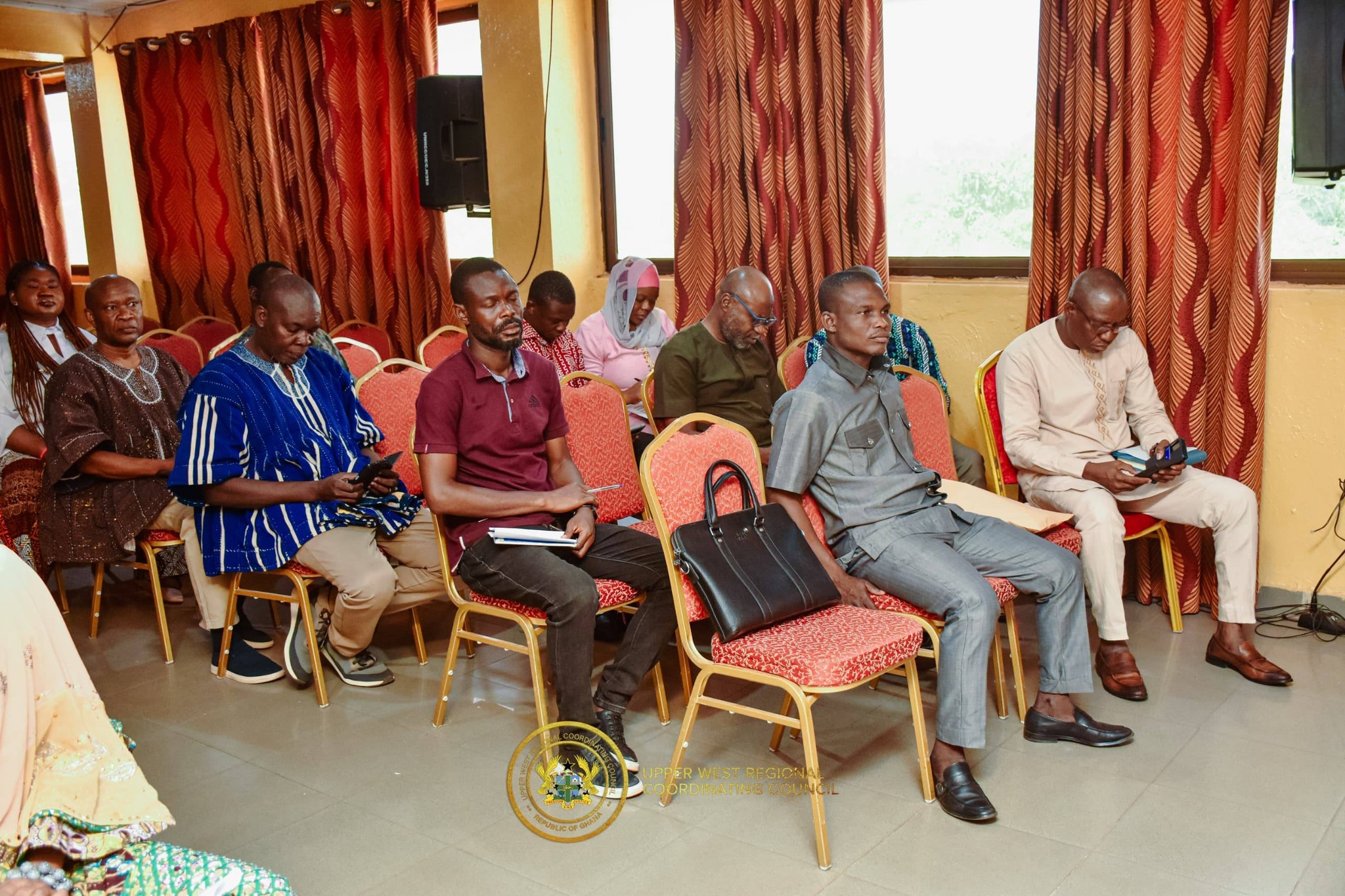
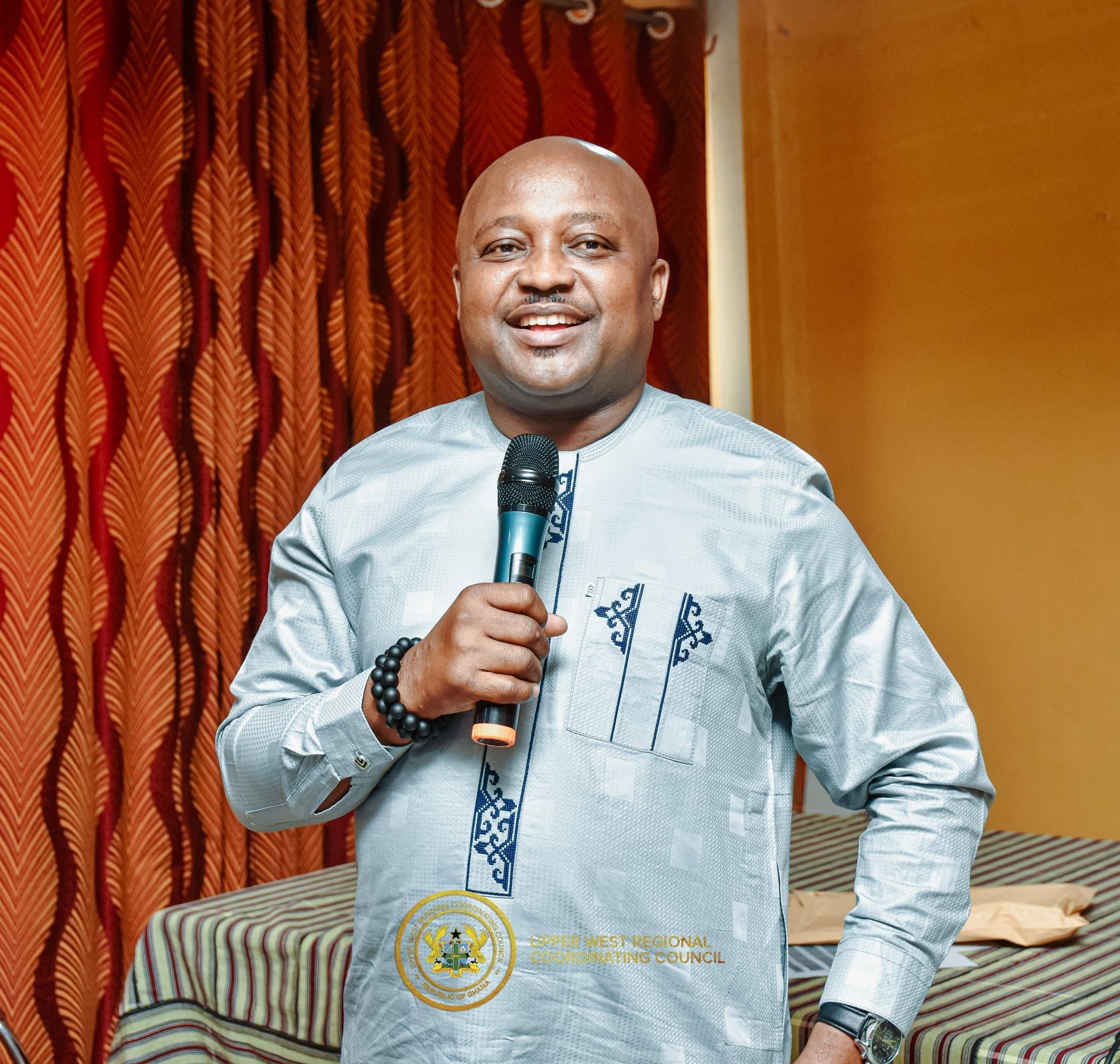
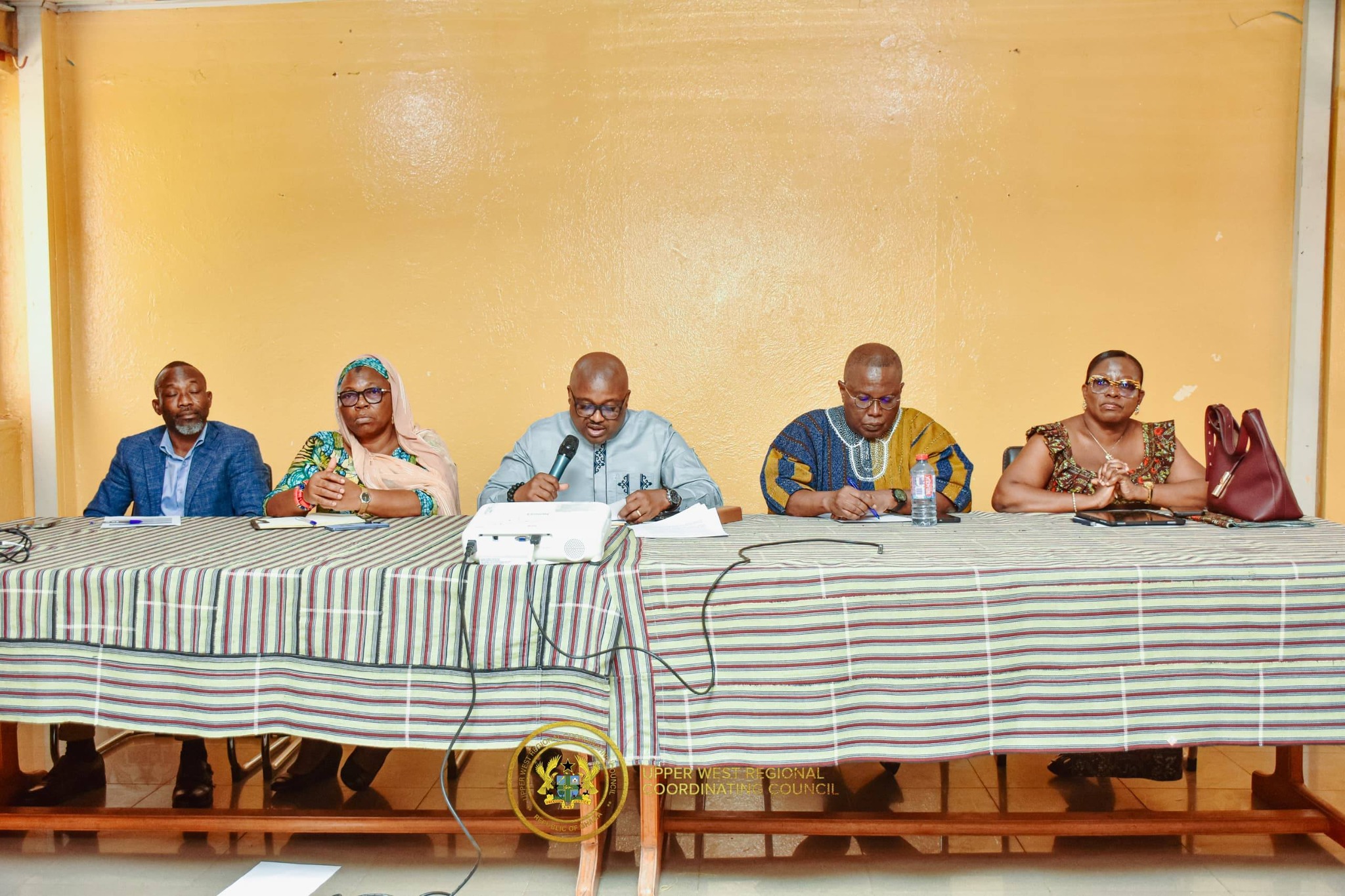
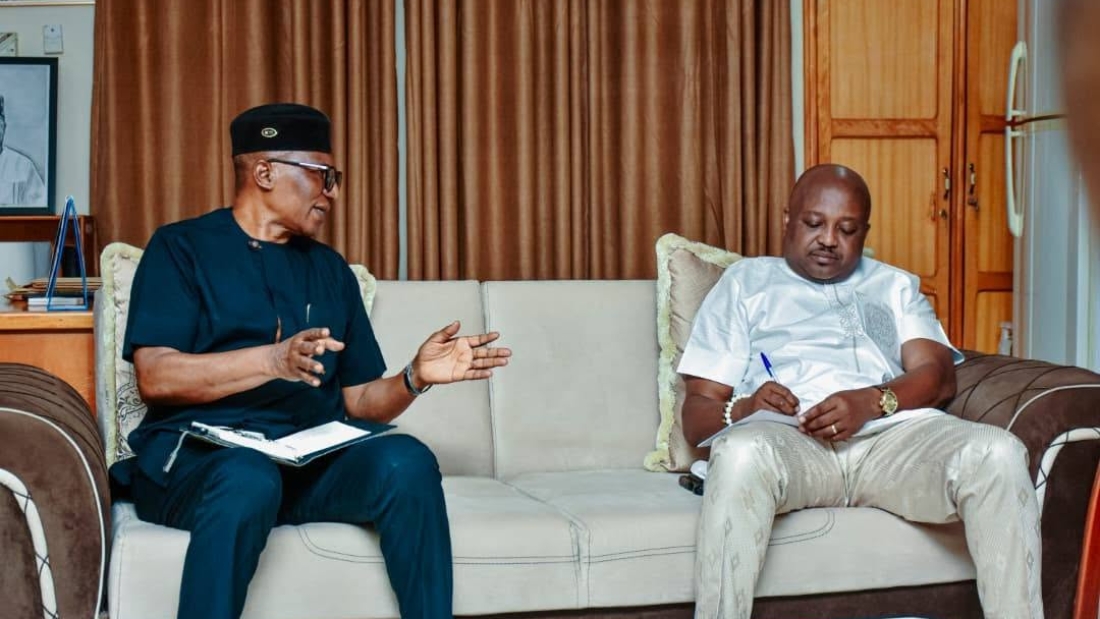
UPHOLDING UNITY AND PROGRESS: THE ISSA AND KAJOKPERI TRADITIONAL COUNCILS’ COURTESY CALL

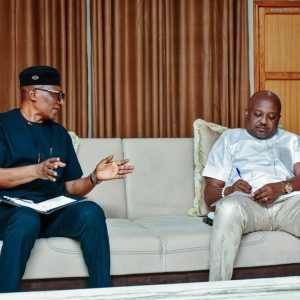
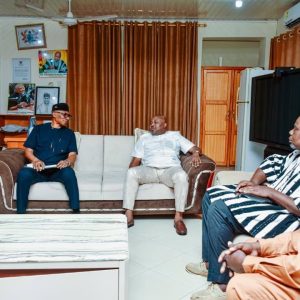
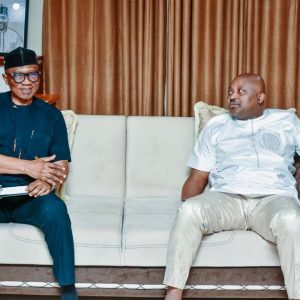
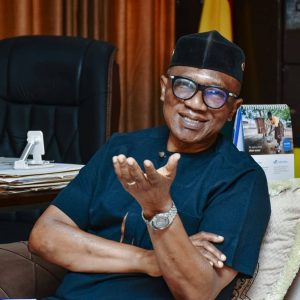
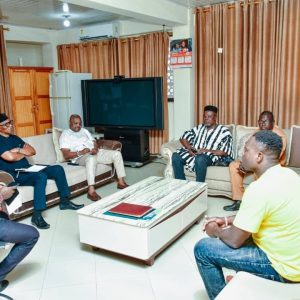
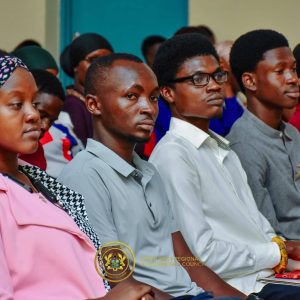
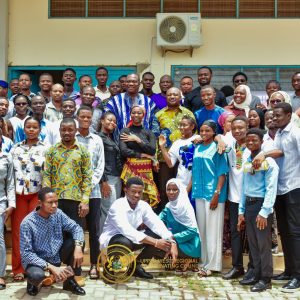
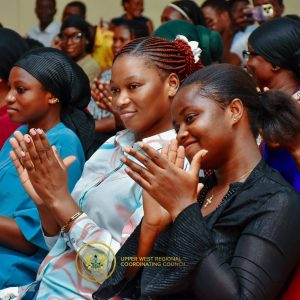
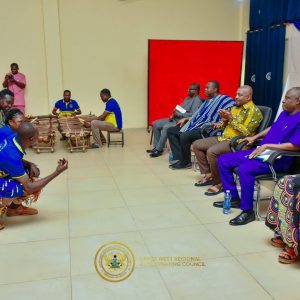
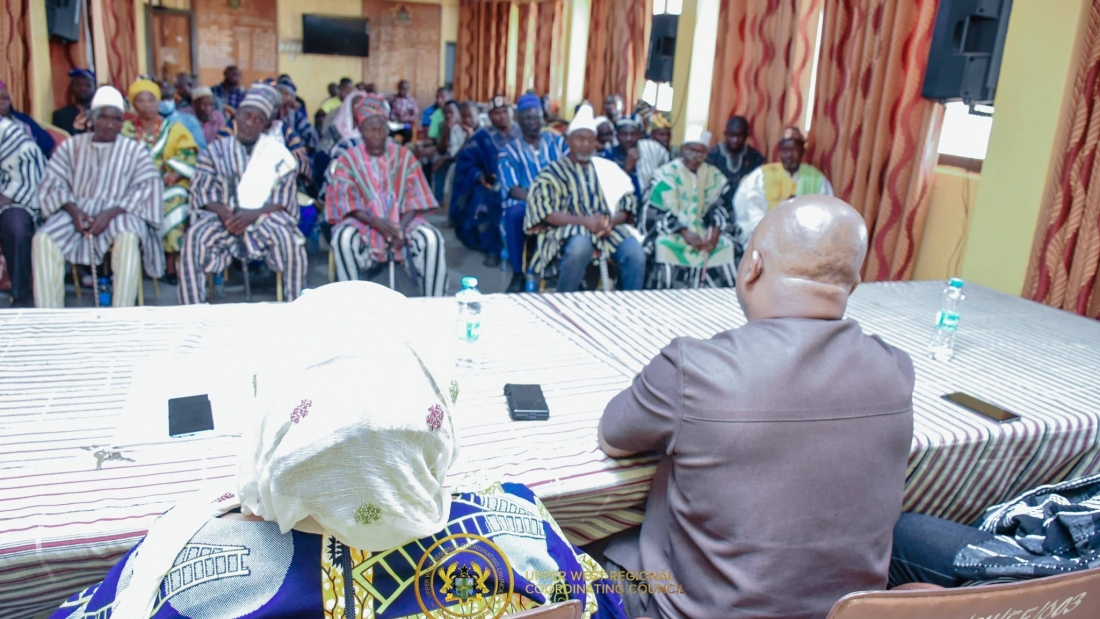
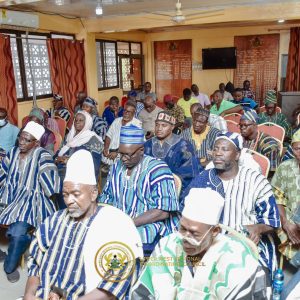
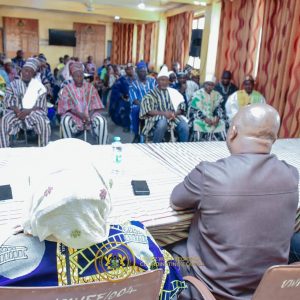
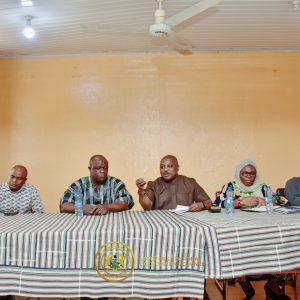
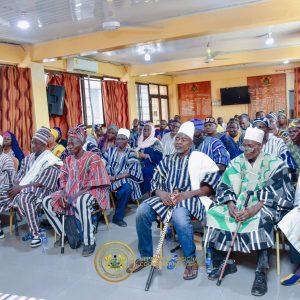
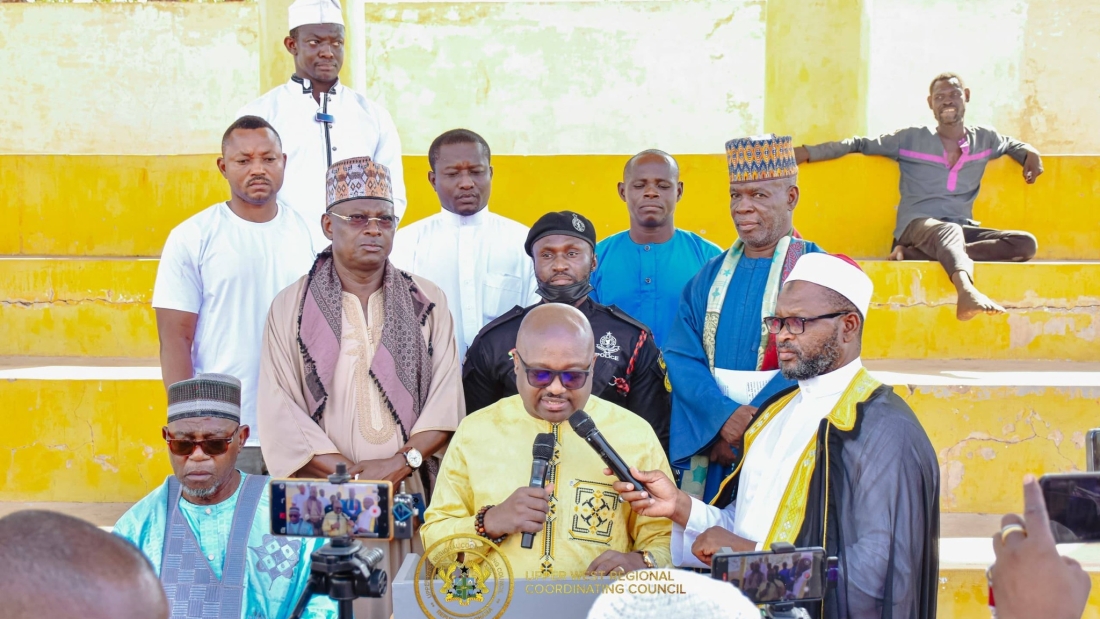
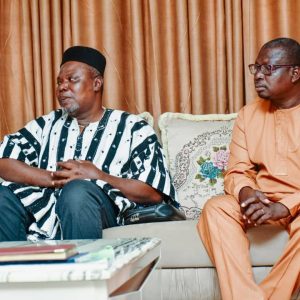
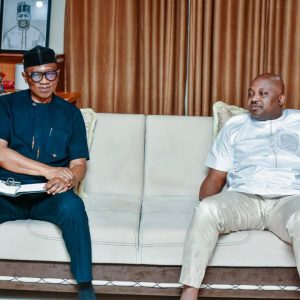
In a significant display of community leadership, the Issa and Kajokperi Traditional Councils recently engaged with Hon. Charles Lwanga Puozuing Esq., Upper West Regional Minister, to express both gratitude and concern regarding local developmental matters. The Councils applauded the government’s transformative initiatives, which include improved water security, enhanced healthcare, and educational advancements, all aiming to uplift the lives of residents in the Diffiama Busie Issa District.
However, the Councils voiced their apprehension over the unexpected relocation of the GES Office Complex from Issa to Daffiama. They emphasized the importance of maintaining this essential facility in Issa—our district capital since 2012—arguing that its relocation could disrupt the harmony and development that have molded their community.
Hon. Puozuing responded with a commitment to address the concerns raised, assuring the traditional leaders of his dedication to fostering peace and continuity in development across the region. The dialogue exemplifies the importance of collaboration between government officials and community leaders in promoting unity and forward momentum in the Upper West Region.
Let us embrace this spirit of partnership and sustain our collective efforts in nurturing the progress of our communities.
657321650_1250317923940798_1259850094192044094_n

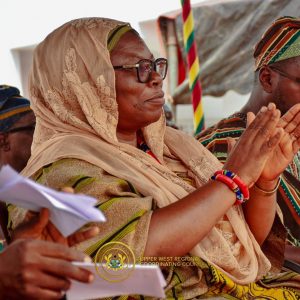
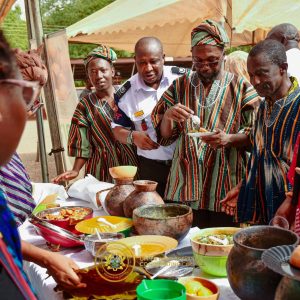
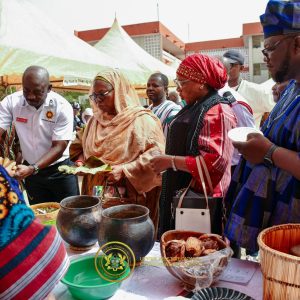
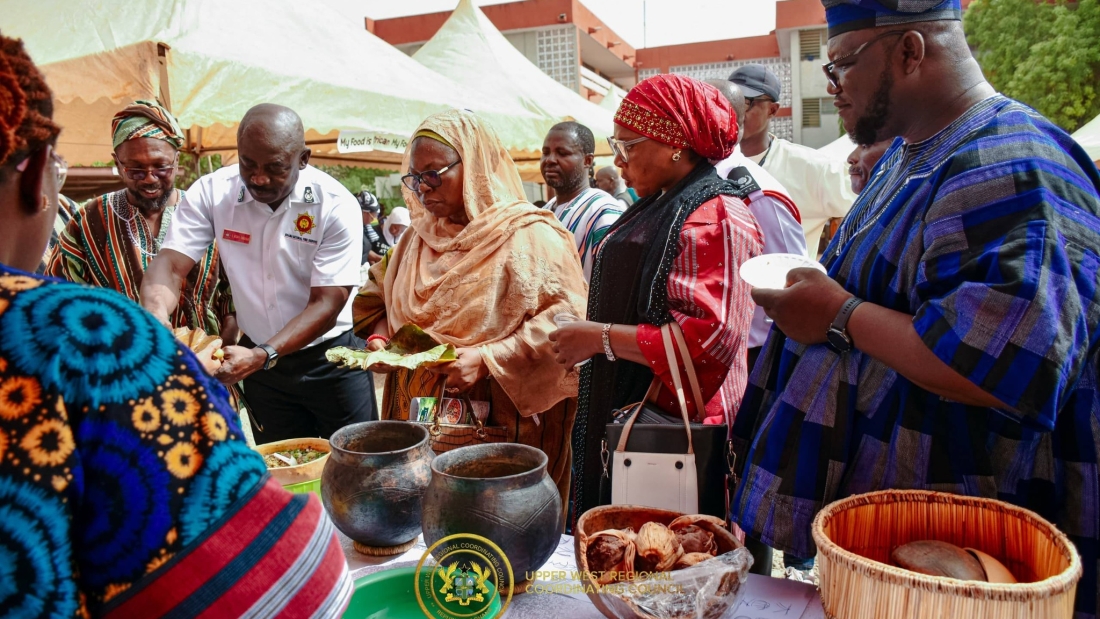
EMBRACING HERITAGE: UPPER WEST REGION CELEBRATES TRADITIONAL CUISINE.

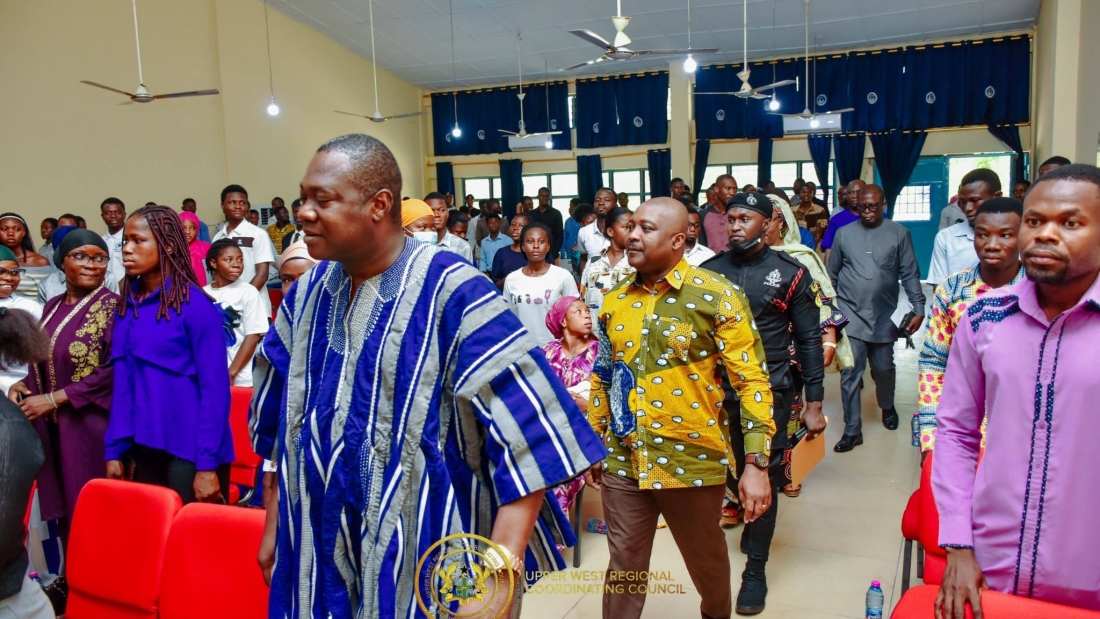
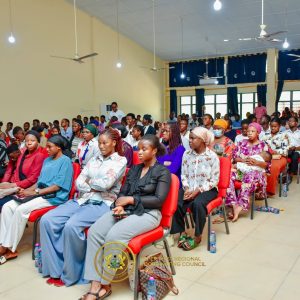
The Upper West Region lit up with cultural pride as the Traditional Food Exhibition took place on March 25, 2026, under the auspices of the Ghana Tourism Authority and the Centre for National Culture. With the resonant theme, “Upper West Pot: Our Greatest Pride, Our Deepest Heritage,” the event showcased the incredible richness of our culinary traditions, reminding us that our food is not just sustenance, but a tapestry of history and identity.
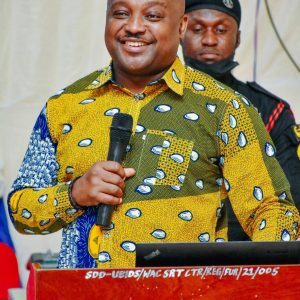
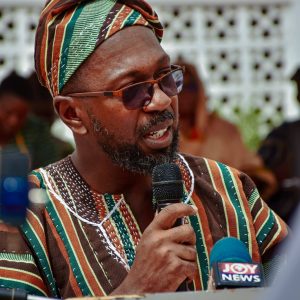
Hon. Charles Lwanga Puozuing Esq., addressing attendees through Chief Director Hajia Pognaa Fati Issaka Koray, proclaimed the exhibition a vital platform for reclaiming our narrative. He emphasized the importance of traditional foods in fostering community, creating jobs, empowering women, and promoting tourism.
“This gathering is about preserving culture for future generations,” he shared, calling on the youth to embrace their culinary heritage and learn from the experience. Gratitude was also expressed to CIKOD and other partners for their unwavering support in making the event a success.
As we celebrate our traditions, let this exhibition spark a renewed commitment to share our culinary gems with the world. Together, let’s keep the flames of the Upper West pot shining brightly for generations to come!
653709502_1242128868093037_598635237229824116_n

CELEBRATING EID-UL-FITR: A CALL FOR UNITY, RESILIENCE, AND PROGRESS IN THE UPPER WEST REGION

*Upper West Region, Ghana** – In a heartfelt address celebrating Eid-ul-Fitr, the Honourable Upper West Regional Minister, Hon. Charles Lwanga Pozuing, Esq., extended warm greetings to the Muslim community and stressed the significance of the holy month of Ramadan. He highlighted that Eid-ul-Fitr is not only a celebration of the successful completion of fasting but also an opportunity for reflection, renewal, and commitment to the values of patience, generosity, and community spirit.
The Minister emphasized the importance of carrying the virtues learned during Ramadan into everyday life to foster unity and integrity within our communities. Recognizing the harmonious coexistence of diverse ethnic and religious groups in the Upper West Region, he urged citizens to safeguard this treasure while addressing pressing challenges, particularly the alarming rise of drug abuse among the youth.
In his address, Hon. Pozuing called upon parents, educators, and community leaders to collaborate in guiding the youth towards productive and disciplined lives, stressing that they hold the key to the region’s future. He reassured the people of the government’s unwavering commitment to creating opportunities for youth empowerment through various flagship initiatives, including development projects aimed at enhancing infrastructure and economic activity in the region.
The Minister also announced the commencement of transformative projects, such as the Big Push road initiatives and 24-hour economy markets, designed to stimulate trade and create job opportunities. He encouraged the Muslim community, particularly women and youth, to take advantage of these initiatives, thereby contributing to the region’s sustainable development.
Hon. Pozuing concluded his address by urging the citizens to extend compassion and charity to the less privileged, reinforcing the Islamic principles of service to humanity. He wished the Muslim Ummah a joyful and blessed Eid-ul-Fitr, calling for continued prayers for peace, stability, and prosperity in the Upper West Region and Ghana as a whole.
As the region celebrates this significant occasion, the message is clear: together, with faith and resilience, we can build a brighter future for all.
Eid Mubarak!
653703868_1237996618506262_323719282828904694_n

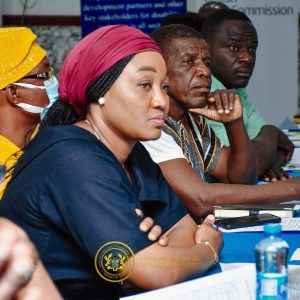
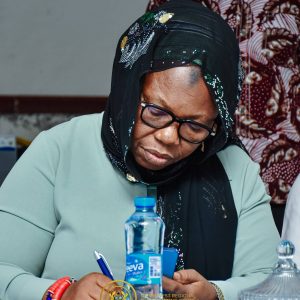
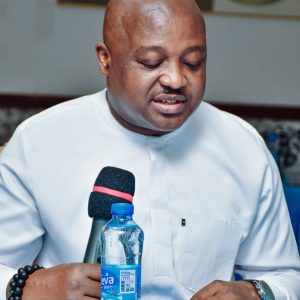
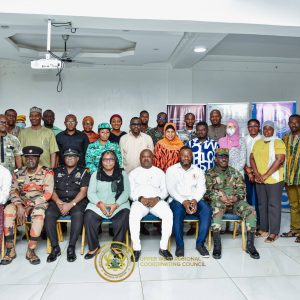
EMBRACING INCLUSIVITY: A COMMITMENT TO DISABILITY INCLUSIVE DISASTER RISK MANAGEMENT


Wa, Upper West Region – March 16, 2026.
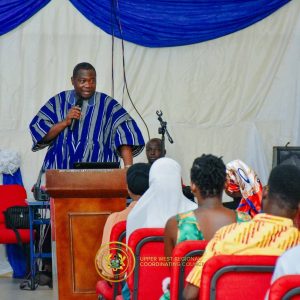
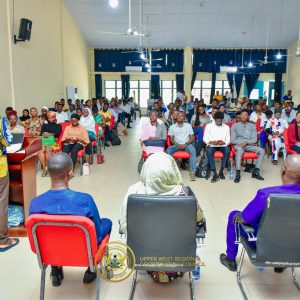
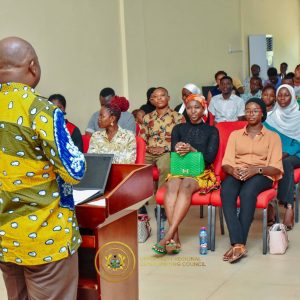
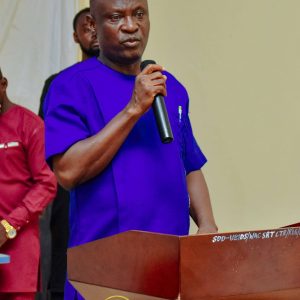
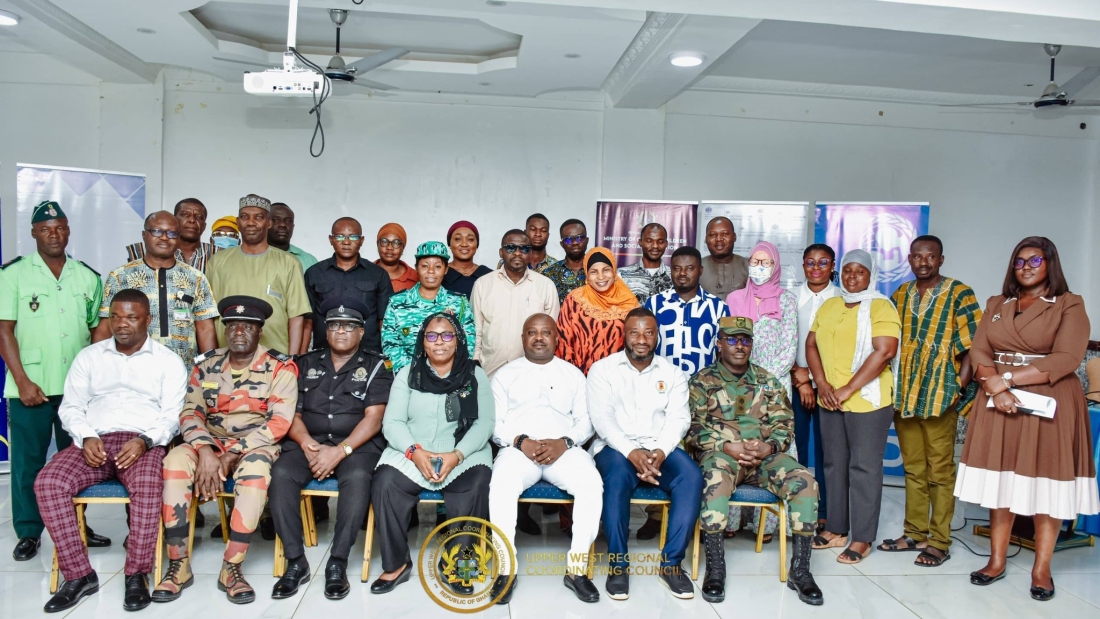
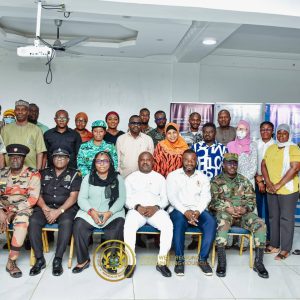
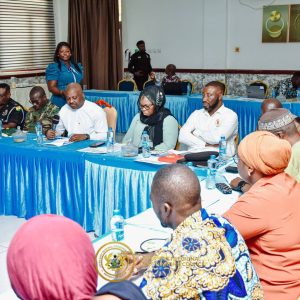
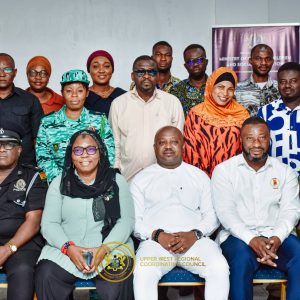
In a significant gathering at Dellagio Hotel, the Honourable Regional Minister, Charles Lwanga Puozuing Esq., addressed a sensitization workshop focused on the essential integration of persons with disabilities into disaster risk management strategies. Organized by the National Disaster Management Organisation (NADMO) and the National Council on Persons with Disability, the event highlighted the pressing need for inclusive policies that guarantee the safety and dignity of all individuals during times of crisis.
Minister Puozuing underlined a universal truth: A resilient society is defined by its commitment to protect its most vulnerable members. In this regard, he emphasized that disasters affect everyone, but their consequences can disproportionately impact persons with disabilities unless deliberate actions are taken to include them in planning, preparedness, response, and recovery efforts.
The Minister affirmed the government’s unwavering dedication to enhancing disaster preparedness and response mechanisms nationwide. He urged NADMO to adopt a proactive approach to disaster management, moving beyond reactive responses to establish a comprehensive disaster preparedness roadmap for the Upper West Region. Such a roadmap will enable municipalities to accurately assess their vulnerabilities and improve their capacity for recovery and resilience.
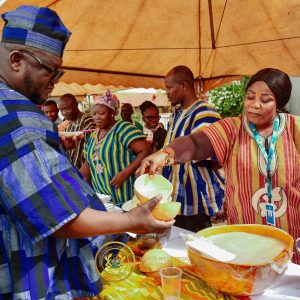
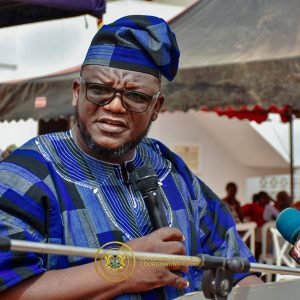
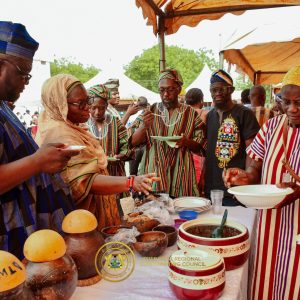
Furthermore, the workshop served as a clarion call for collaboration among various stakeholders, including traditional authorities, security agencies, health institutions, and community leaders. The Minister insisted that persons with disabilities should not merely be passive beneficiaries but active contributors in shaping disaster management strategies, leveraging their unique insights to design safer and more effective systems.
As the workshop concluded, Minister Puozuing encouraged participants to convert the knowledge gained into actionable steps within their communities. He reaffirmed the commitment of the Regional Coordinating Council towards fostering an environment where no one is left behind during crises, advocating strong partnerships and inclusive policies.
This workshop represents not just an event but a pivotal moment for the Upper West Region, inspiring a collective commitment to build a compassionate, resilient, and safe community for all.


661779052_1250307637275160_7081304100493798143_n

TAKPO SENIOR HIGH SCHOOL BOARD ENGAGES WITH UPPER WEST REGIONAL MINISTER ON INFRASTRUCTURE DEVELOPMENT

The Takpo Senior High School (SHS) Board, led by Chairman Major Albert Don-Chebe, met with the Upper West Regional Minister, Hon. Charles Lwanga Puozuing Esq., in a crucial dialogue aimed at addressing the longstanding infrastructural challenges facing the school. The meeting, held at the minister’s office, served as a platform for both parties to discuss pressing needs that have hampered effective teaching and learning since the school’s inception 15 years ago.
Chairman Major Don-Chebe congratulated the Regional Minister on his recent appointment and extended commendations to the government for its continued support of educational initiatives in the region. He articulated the urgent need for improved infrastructure at Takpo SHS, which currently operates out of outdated basic school facilities ill-equipped to serve the growing student population. The Chairman highlighted that repeated attempts to engage various stakeholders have been made to rally support for the school’s development, including the current engagement with the Regional Minister.
Among the school’s most critical needs are the provision of reliable electricity and potable water, which, according to the Chairman, are essential utilities that must be secured before addressing other infrastructural concerns.
In response, Hon. Charles Lwanga Puozuing Esq. acknowledged the challenges presented by the school and shared encouraging news that two significant infrastructure projects – the construction of boys’ and girls’ dormitories – have already been awarded. This initiative is expected to substantially alleviate the acute infrastructural deficit affecting Takpo SHS.
Addressing the electricity issue specifically, the Regional Minister assured the delegation that he would prioritize this concern. However, he highlighted the importance of adhering to proper procedures for the request. He encouraged the Headmaster to formally submit a request that includes a comprehensive assessment report and cost estimates prepared by a recognized entity. Upon receipt, the Minister committed to facilitating the proposal through the appropriate channels to ensure timely action from the sector Minister.
In closing, Hon. Puozuing reaffirmed his unwavering commitment to enhancing educational infrastructure and the overall learning environment at Takpo Senior High School. His readiness to support the school’s development signifies a positive step towards overcoming the challenges and fostering a conducive atmosphere for academic excellence.
This meeting marks a pivotal moment for Takpo SHS, as the collaborative efforts between the school board and the Upper West Regional Minister could pave the way for much-needed improvements that will significantly benefit the students and the community at large. The commitment from both the board and the regional government reflects a resolute determination to invest in the future of education in the Upper West Region.
As the Takpo SHS community looks ahead, hope ignites for a brighter, more resourceful educational experience for current and future generations of students.
650062867_1234245082214749_5530493971858286893_n

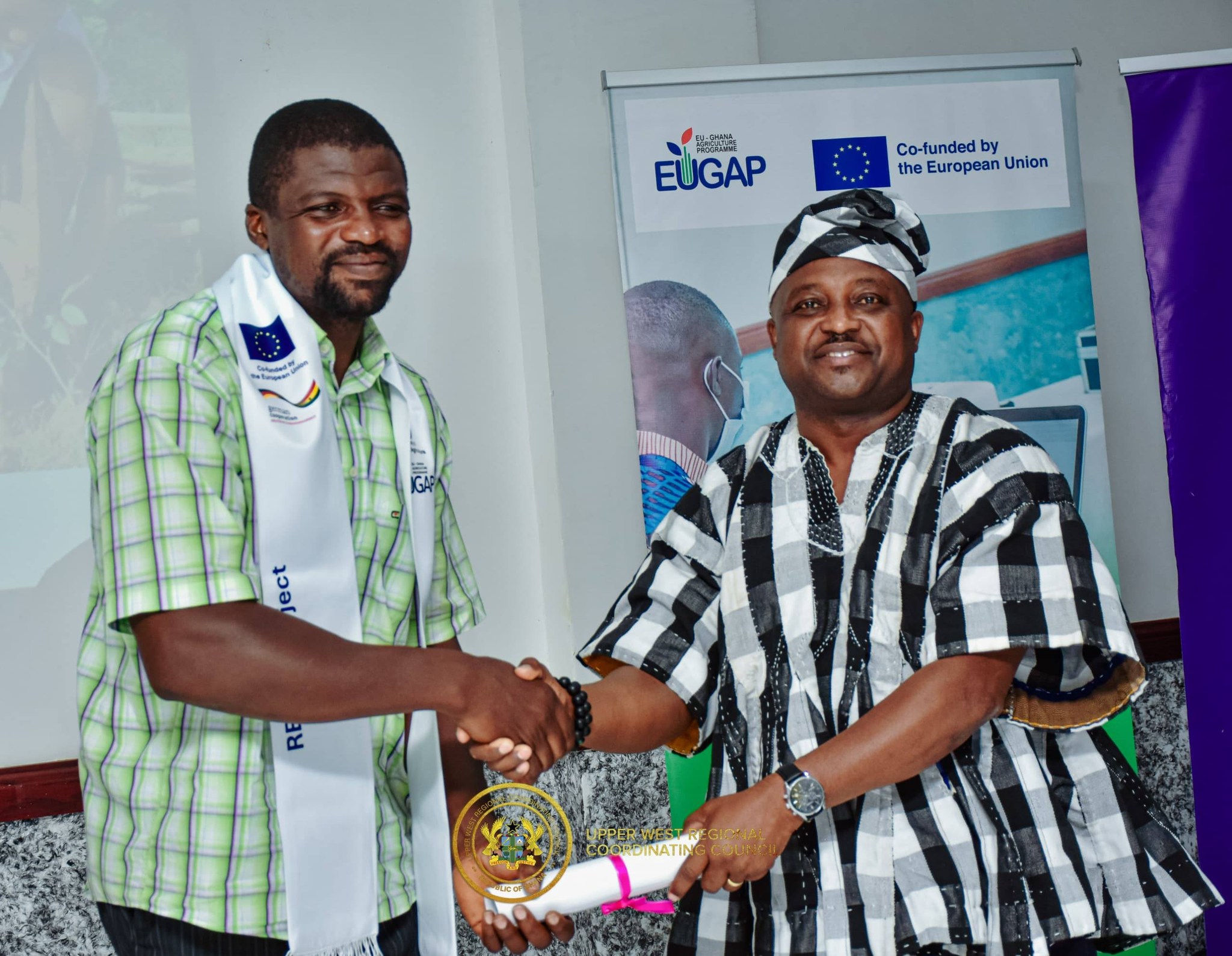
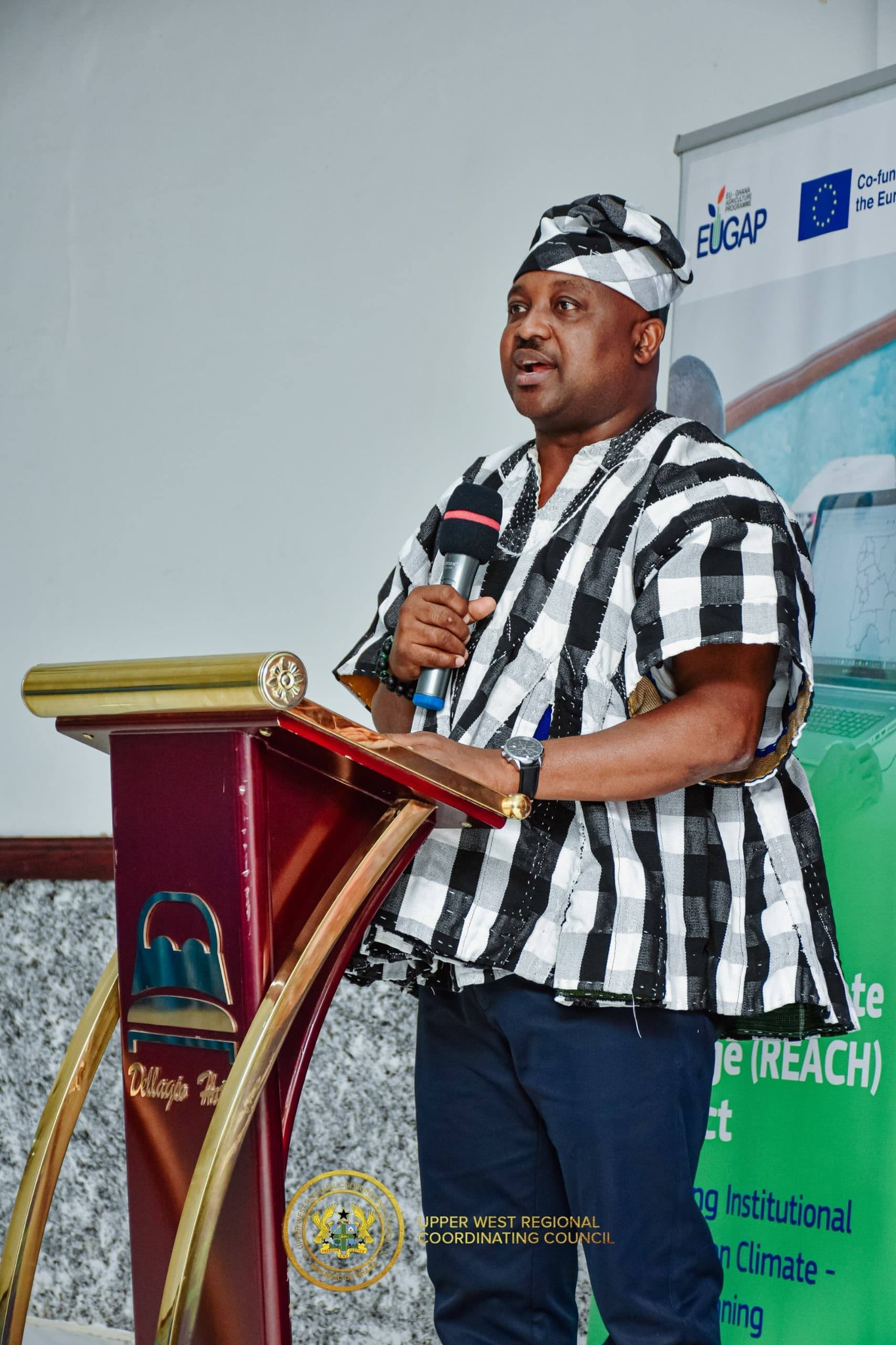
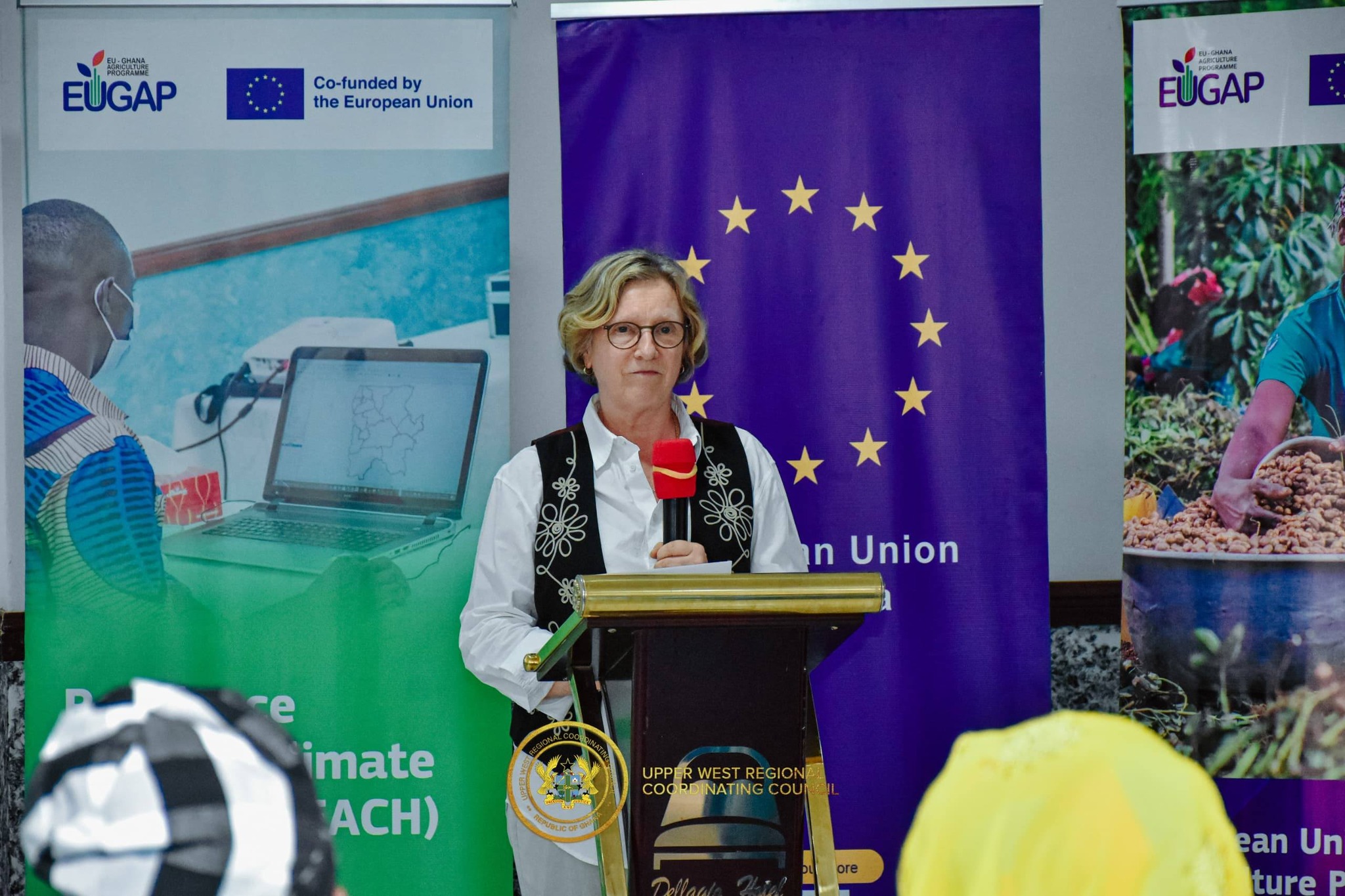
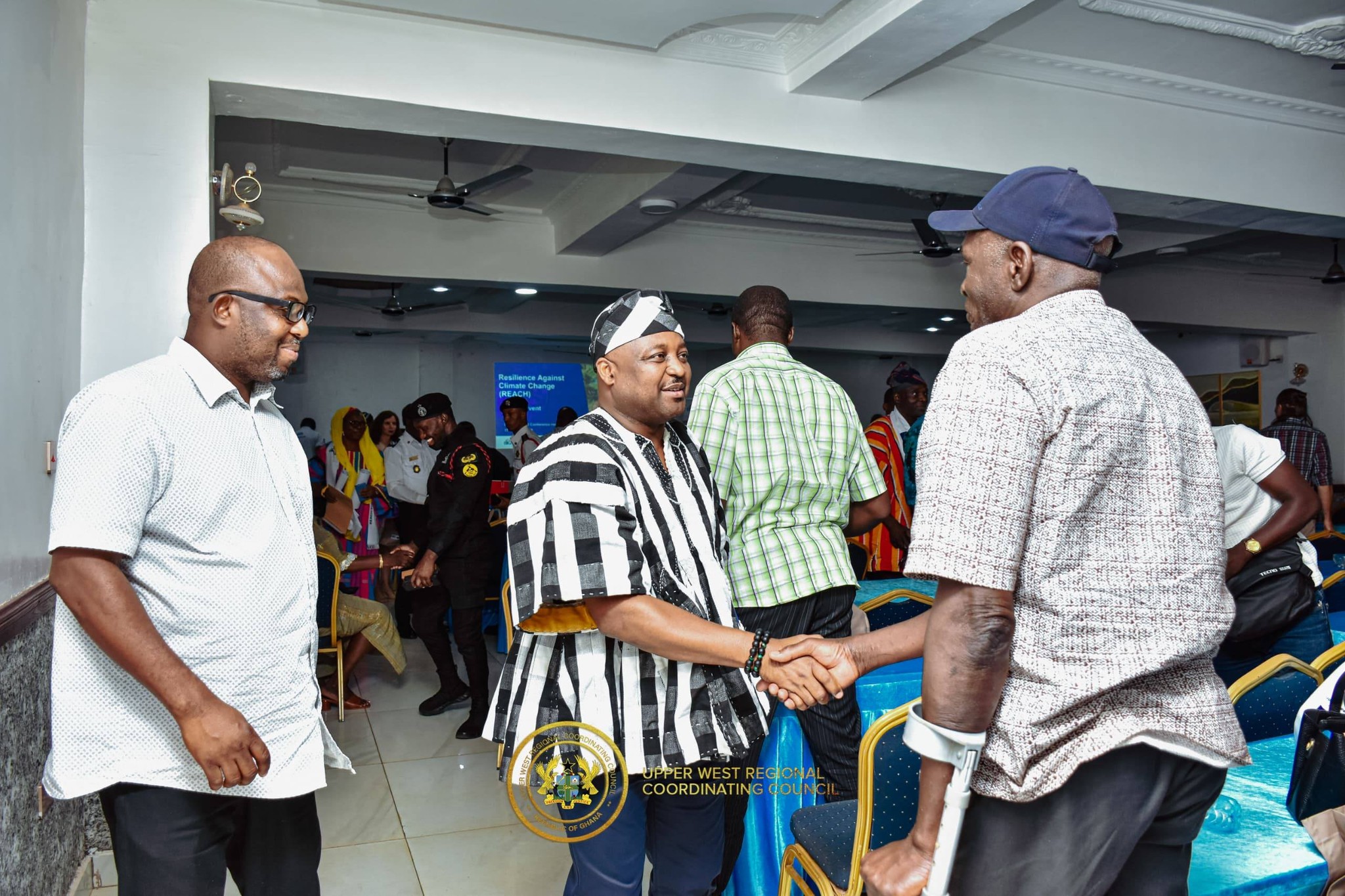
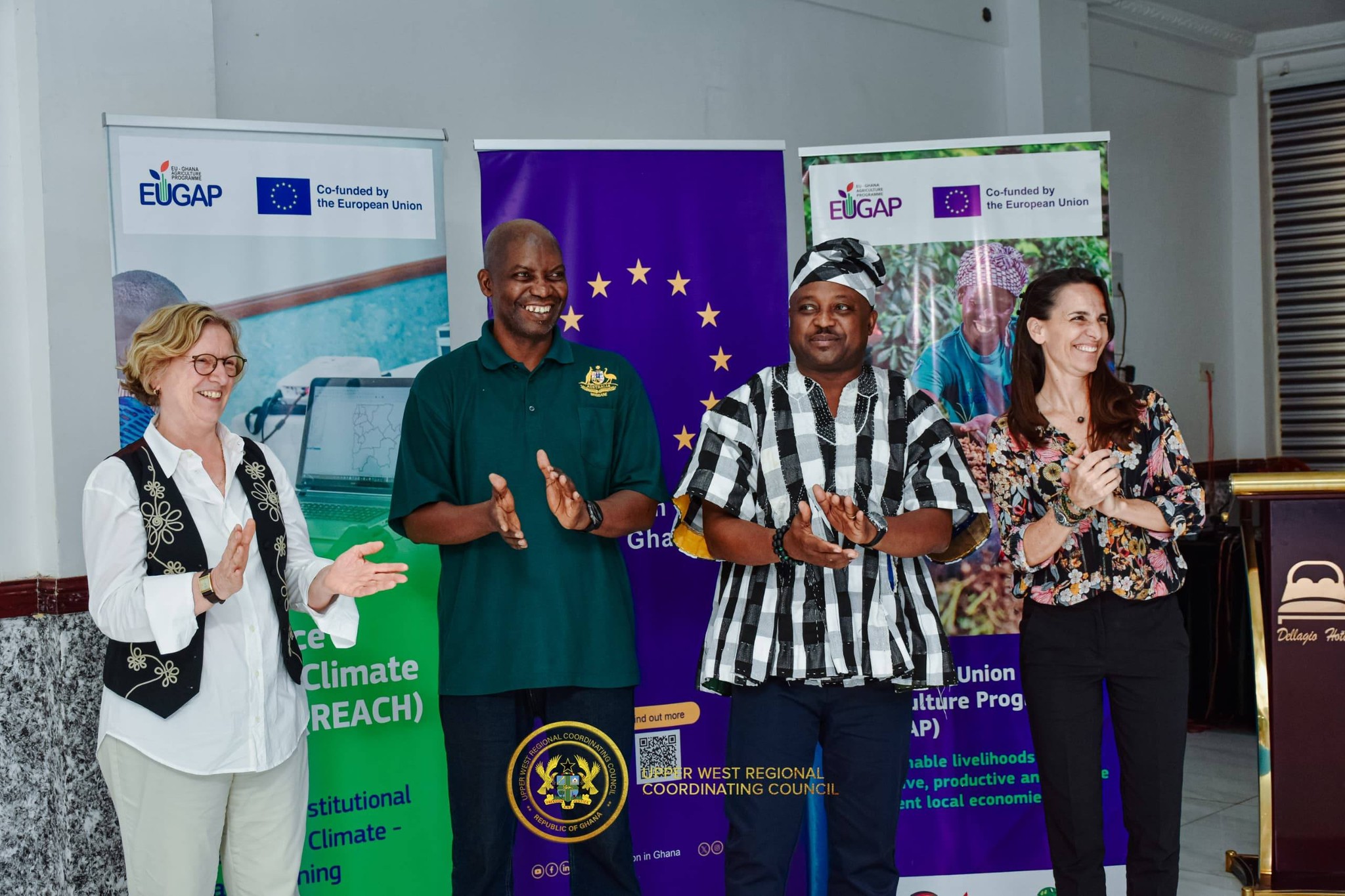
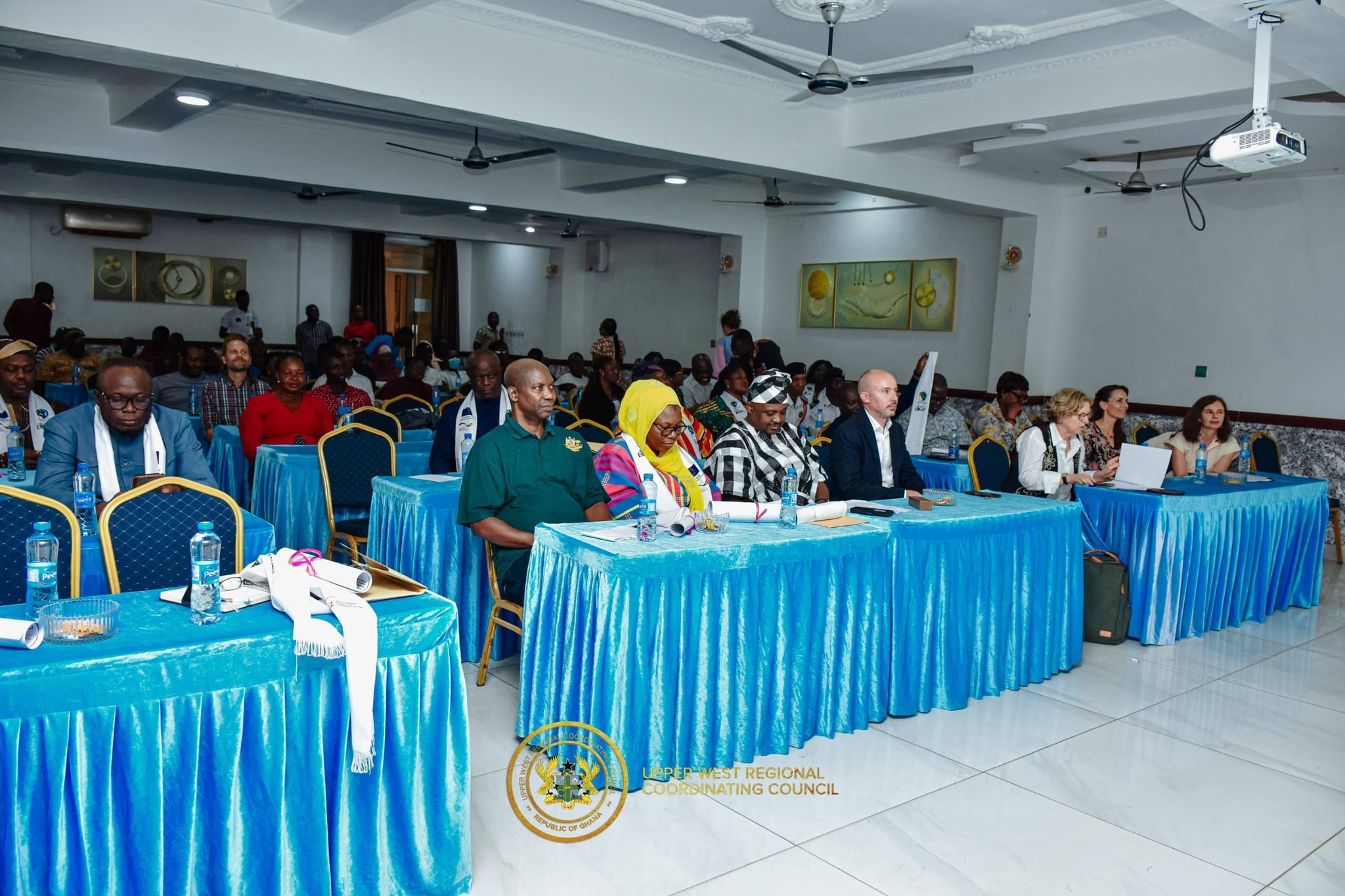
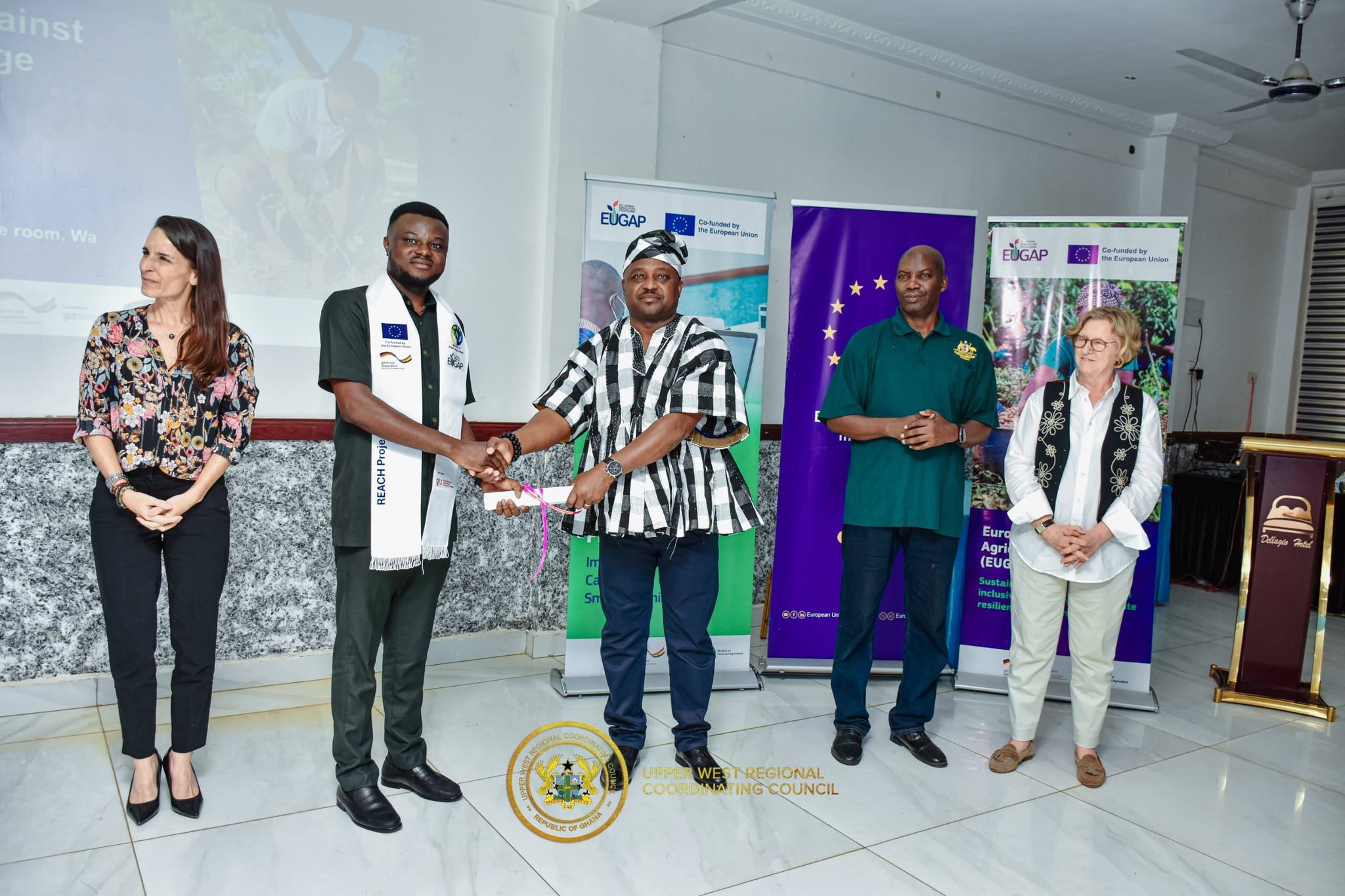
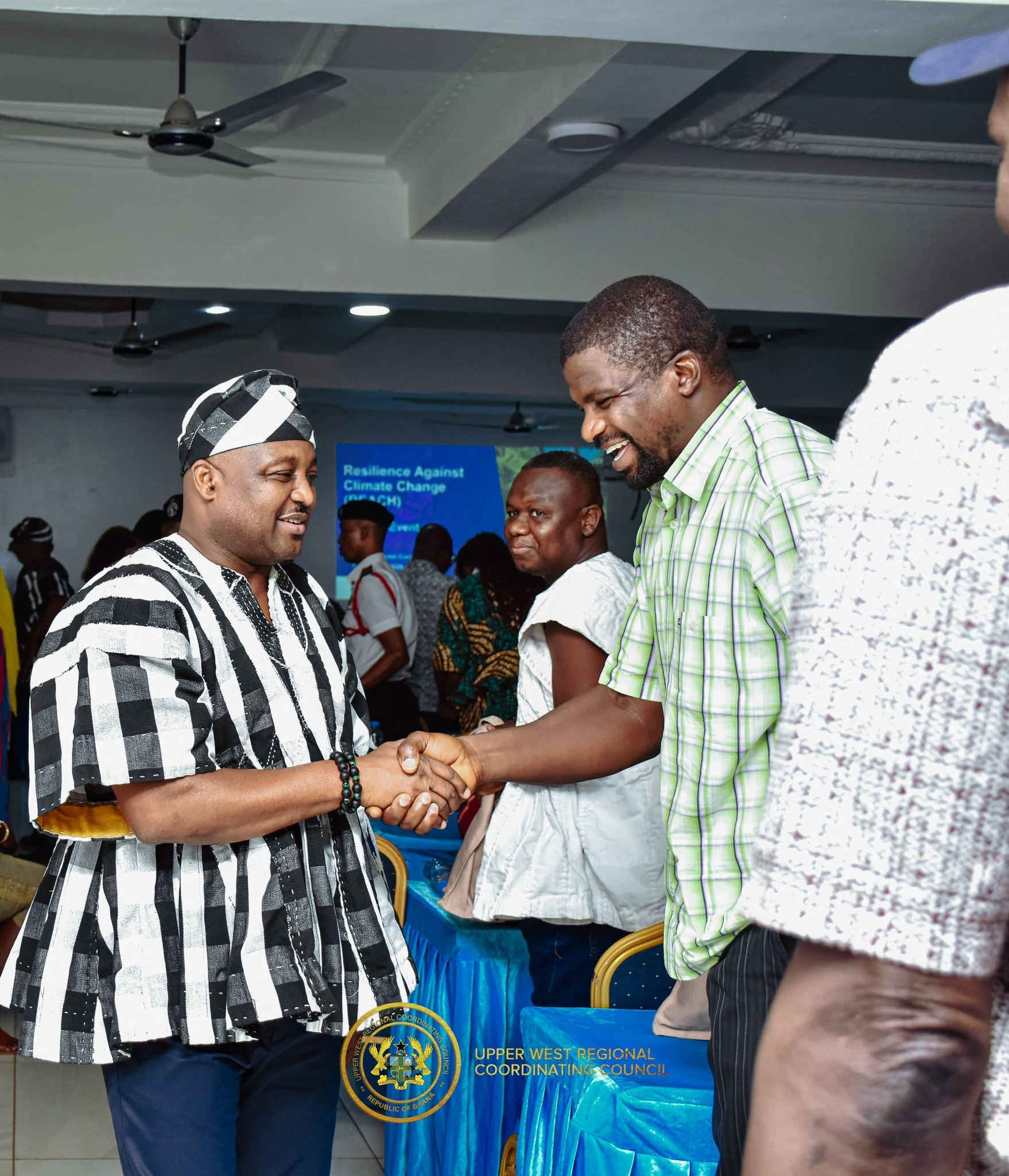
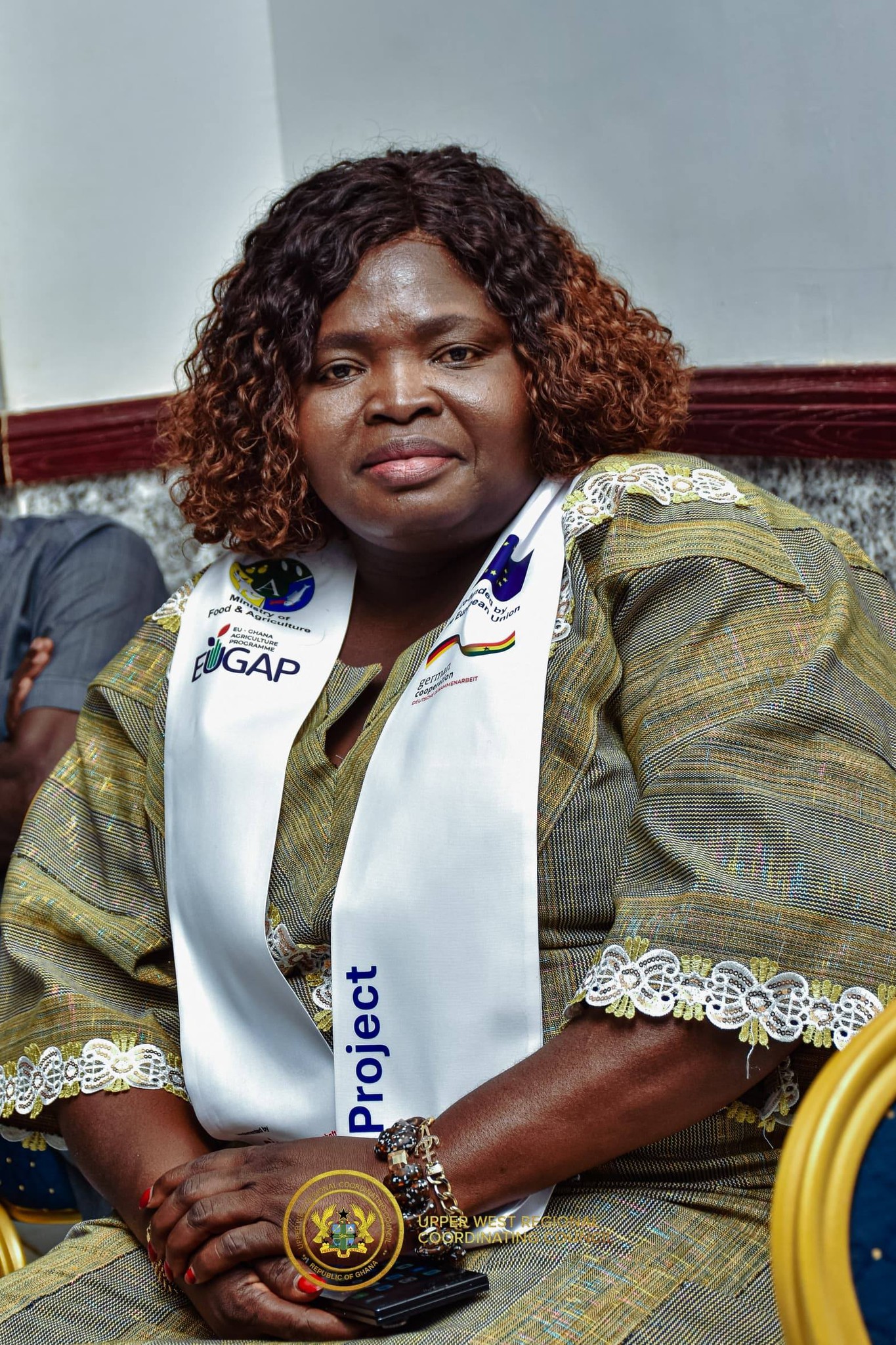
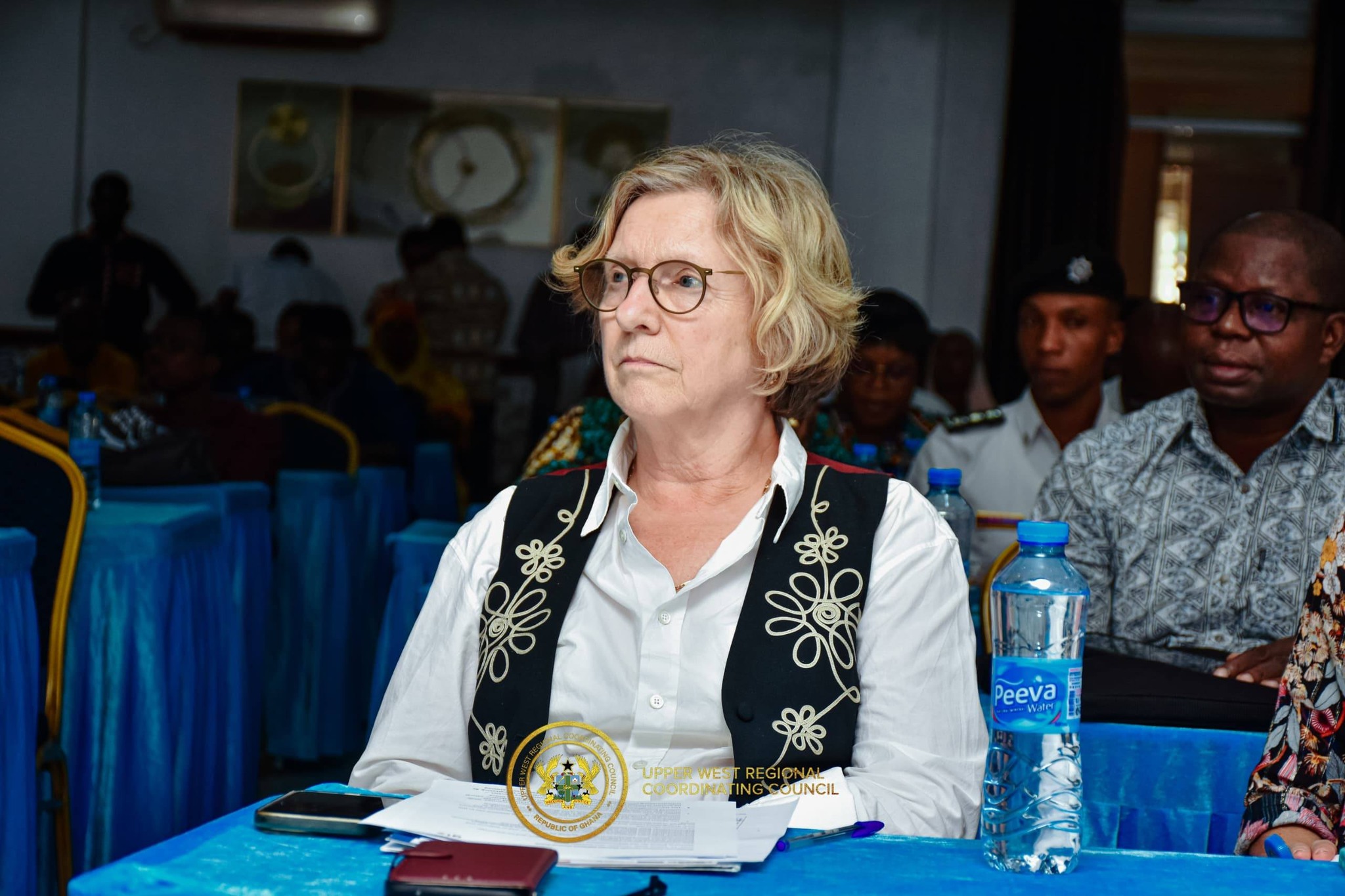
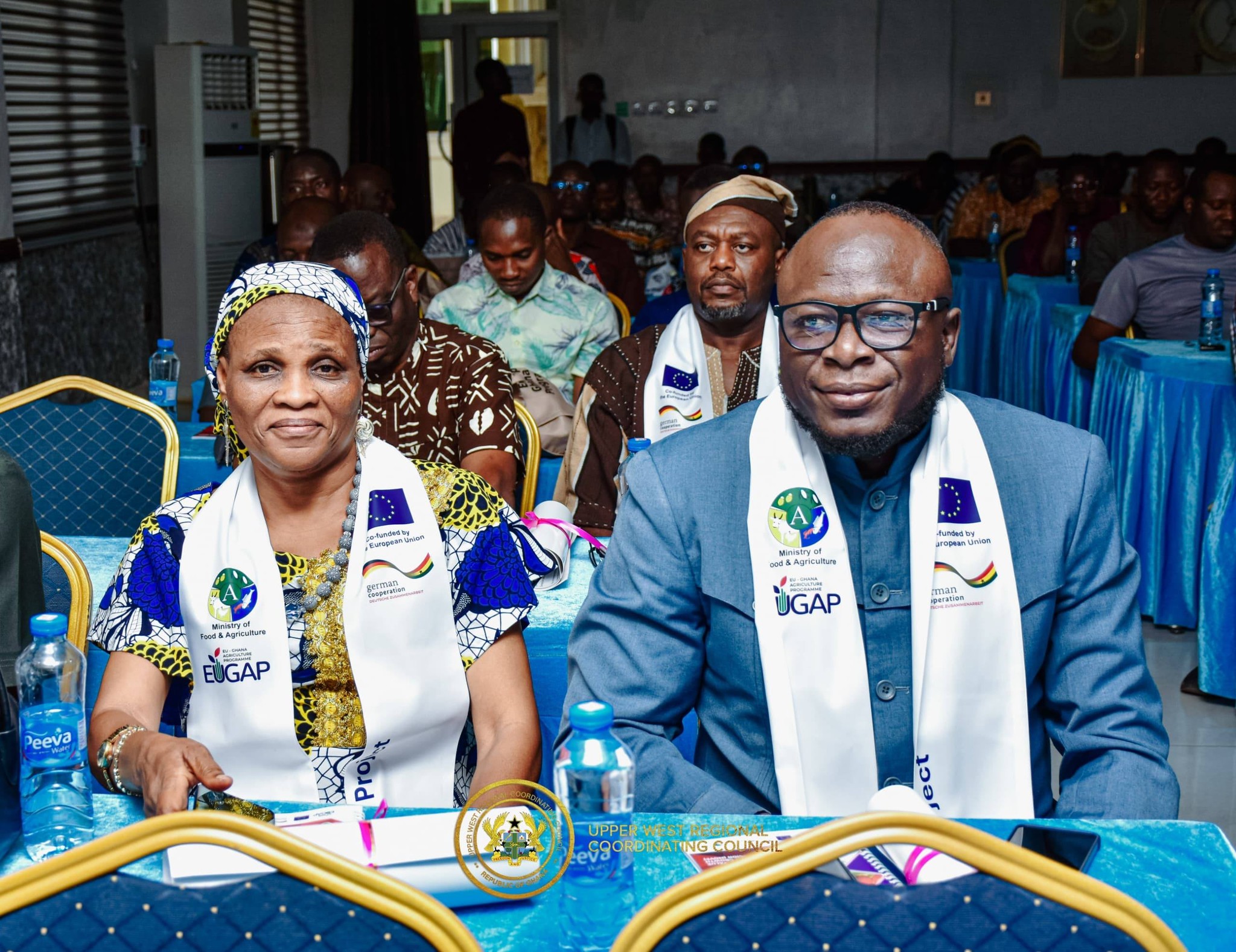
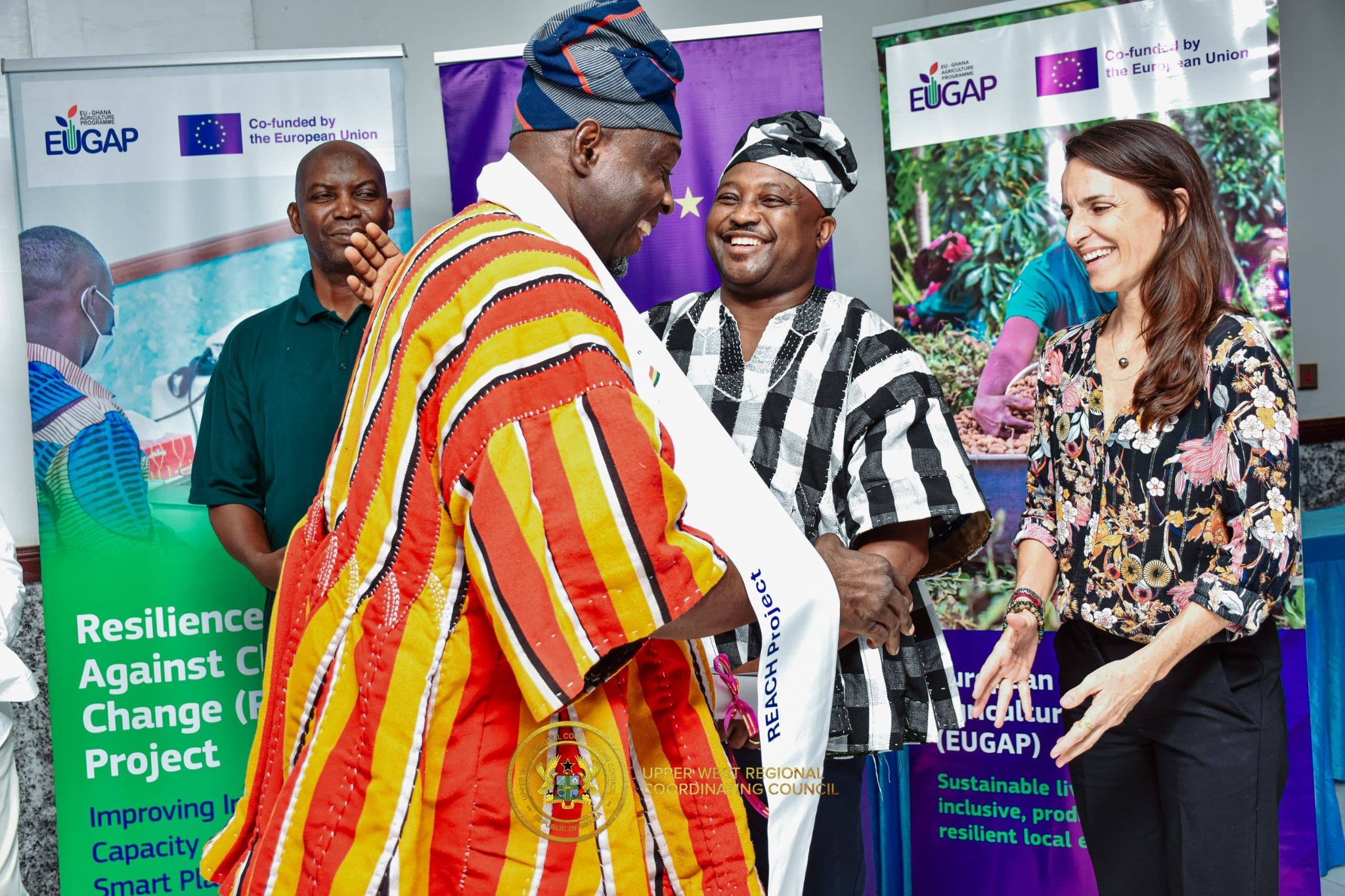
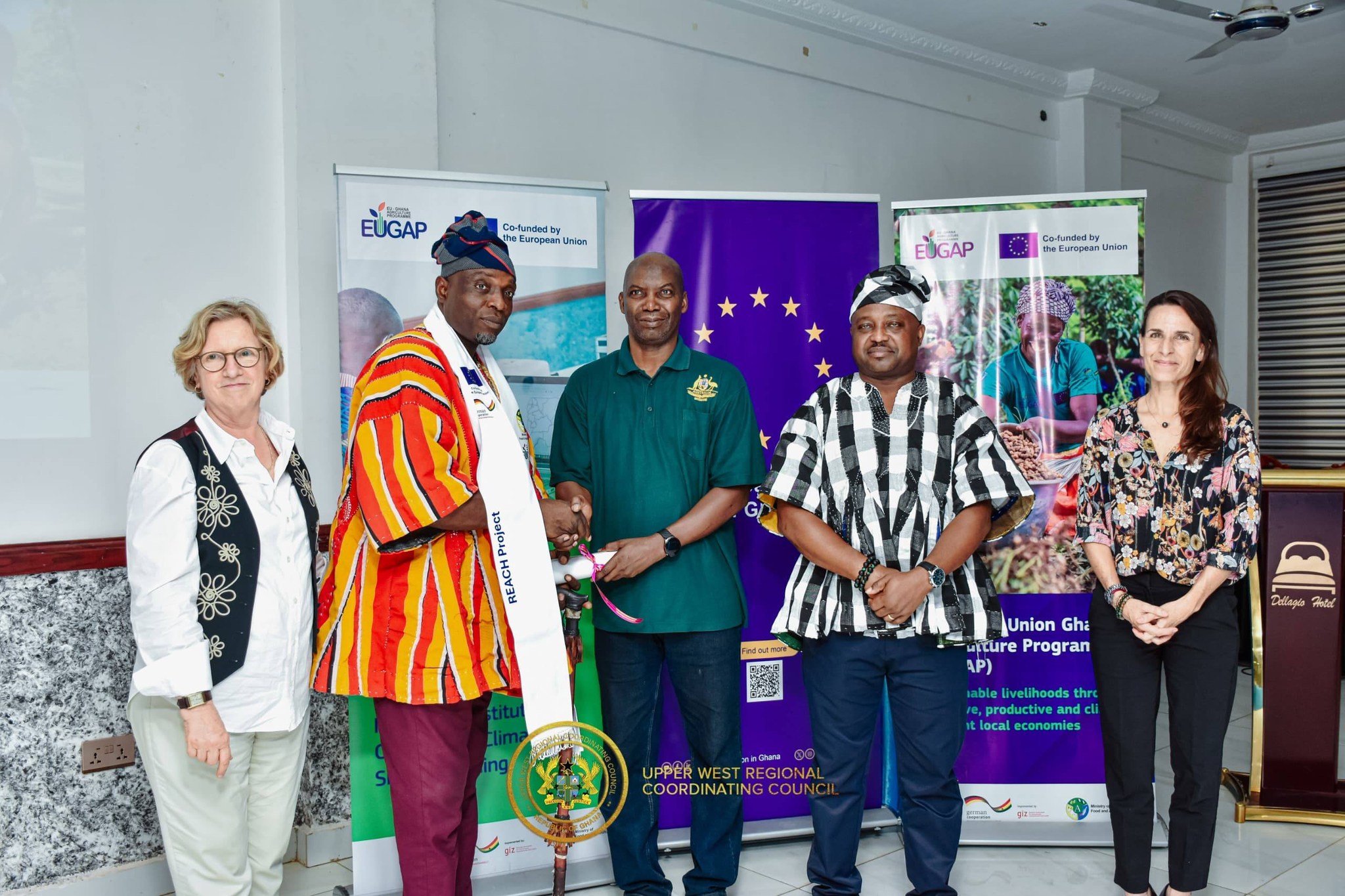
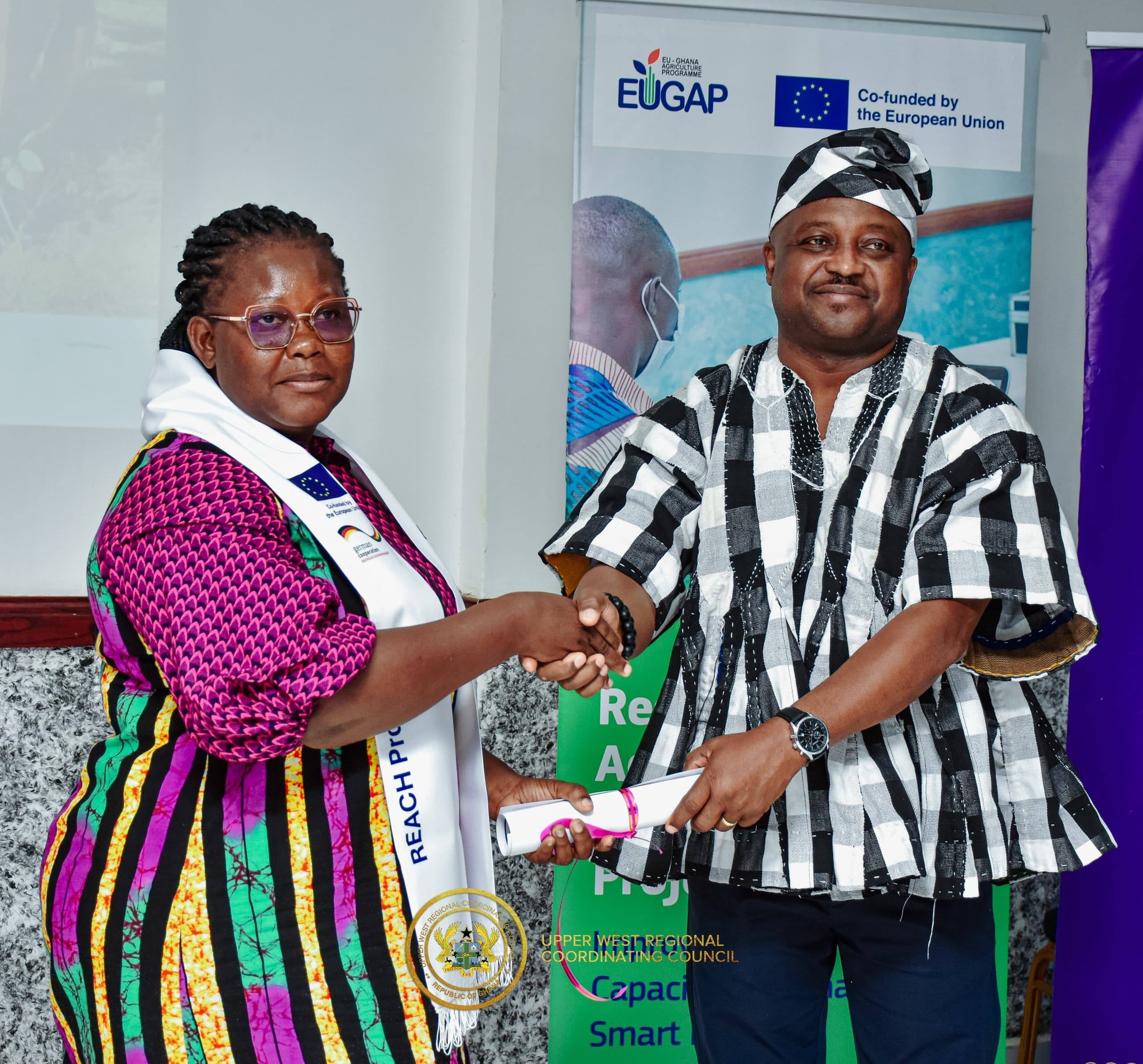
STRENGTHENING RESILIENCE: THE IMPACT OF THE REACH PROJECT IN UPPER WEST REGION.

On March 11, 2026, a significant milestone was celebrated at Dellagio Hotel as stakeholders gathered to mark the closure of the Resilience Against Climate Change (REACH) Project, a pivotal initiative under the European Union Ghana Agriculture Programme (EU GAP). In his inspiring address, the Honorable Regional Minister for the Upper West Region, Charles Lwanga PuoZuing Esq, emphasized the enduring impact of this project, which has transformed agricultural practices and strengthened climate resilience in our region.
With agriculture at the heart of our economy, addressing the challenges posed by climate change has become essential. The REACH Project successfully trained over 10,000 farmers, predominantly women, in sustainable farming techniques such as Conservation Agriculture. This empowerment not only enhances food security but also uplifts entire communities, underscoring the vital role women play in agriculture.
The establishment of over 200 demonstration plots has provided farmers with hands-on experience in innovative practices that promote soil conservation and climate-smart farming. Additionally, the formation of numerous farmer groups has fostered collaboration and knowledge sharing, ensuring that the benefits of the initiative extend far beyond its conclusion.
The Minister commended the collaborative spirit that characterized the project, acknowledging the commitment of local stakeholders, NGOs, and agricultural extension agents whose tireless efforts were instrumental in achieving these commendable results. He stressed the need for continuous support and prioritization of climate-smart agriculture in district development plans to sustain the gains made.
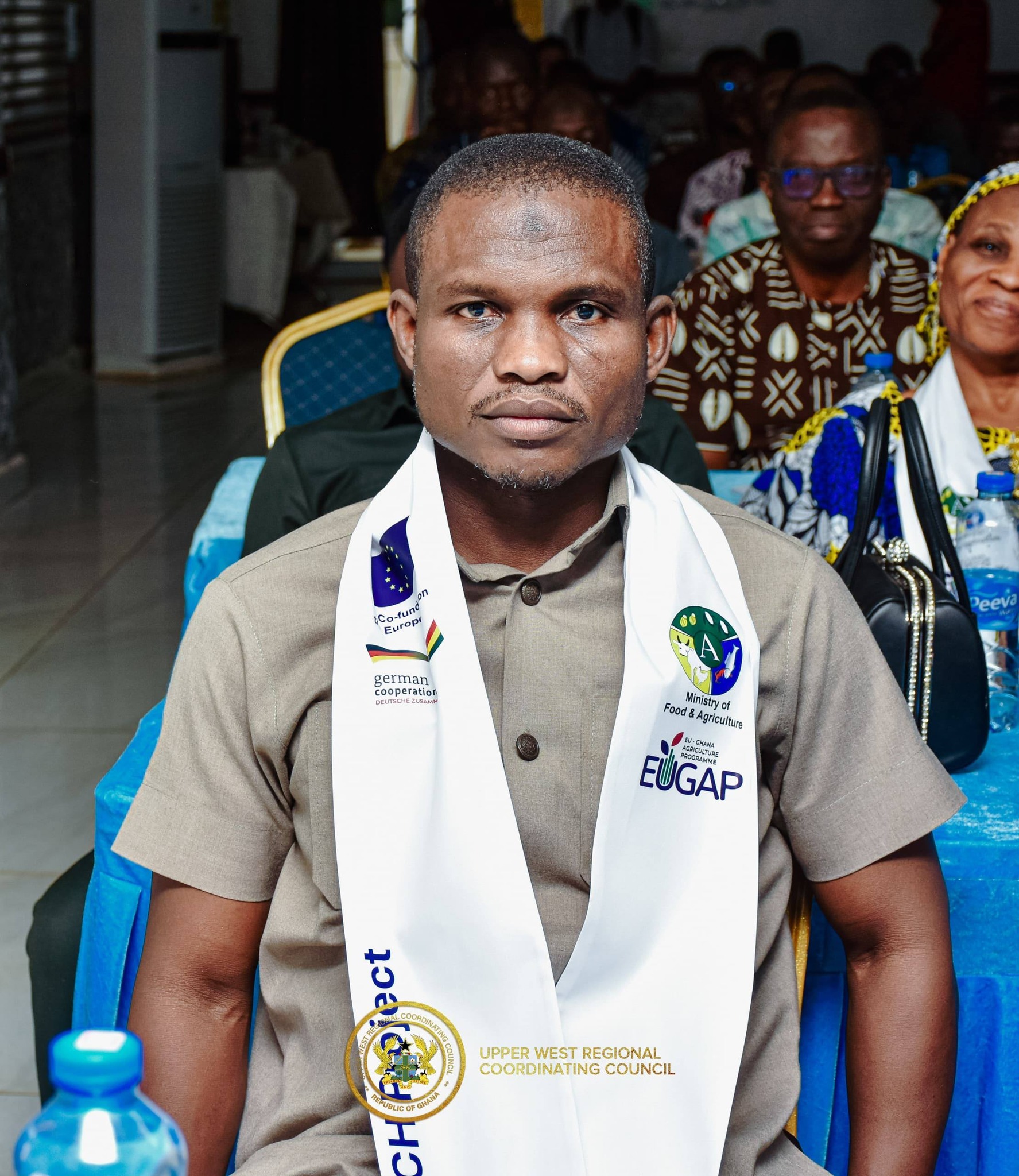
As we reflect on the successes of the REACH Project, let us remain committed to building on this strong foundation, ensuring that our strategies for agricultural productivity and climate resilience endure for future generations.
The future is bright, and together, we can cultivate a thriving and sustainable agricultural sector that benefits all. Let’s keep the conversation going, share our successes, and inspire one another in our journey towards resilience against climate change.
Stay connected with us for more inspiring stories and updates on our efforts in the Upper West Region!
650200908_1233595518946372_382905016387489178_n

BUILDING A UNIFIED FUTURE: UPPER WEST REGIONAL MINISTER OPENS ENGAGEMENT ON NATIONAL DEVELOPMENT PLANNING

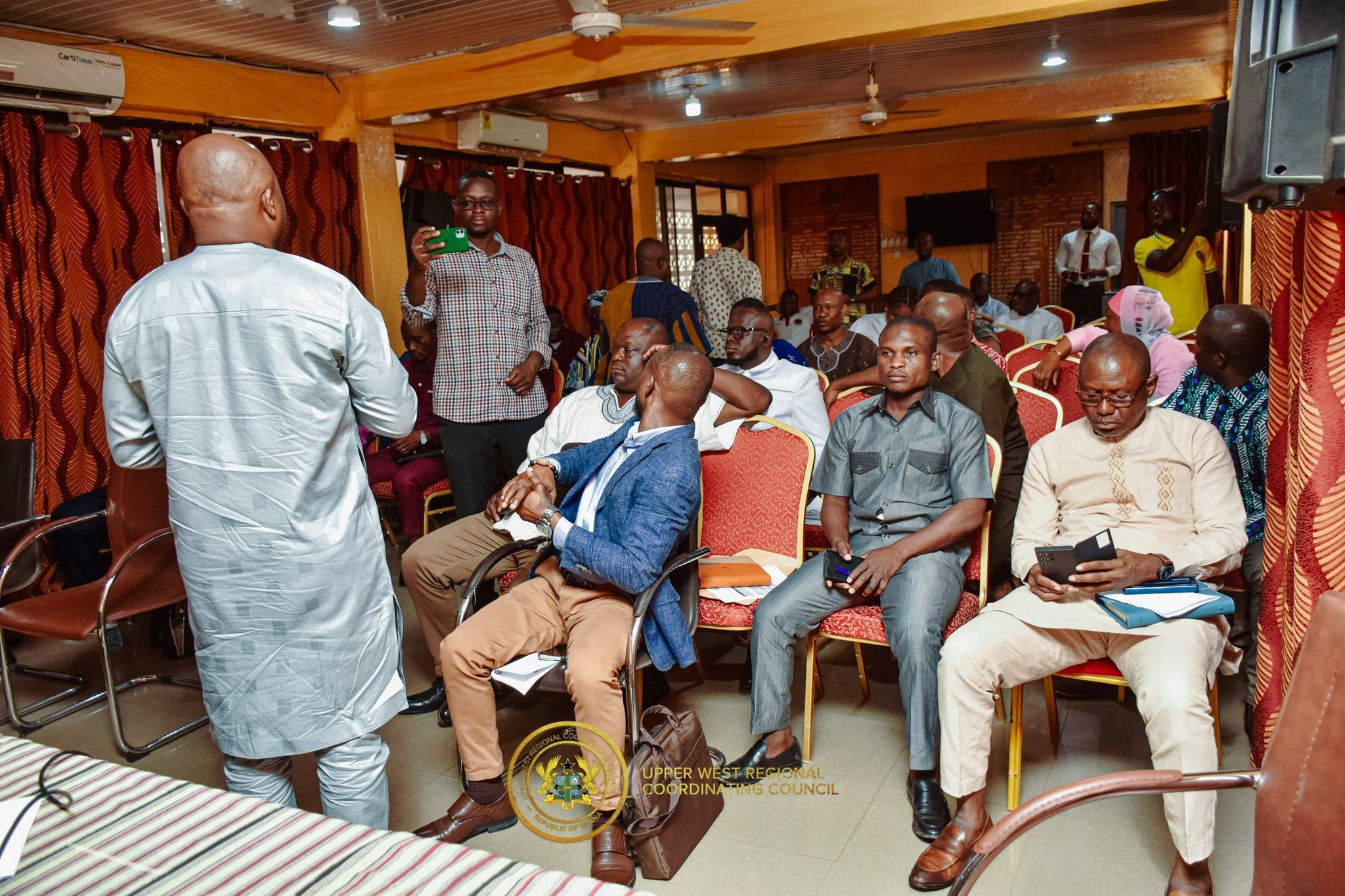
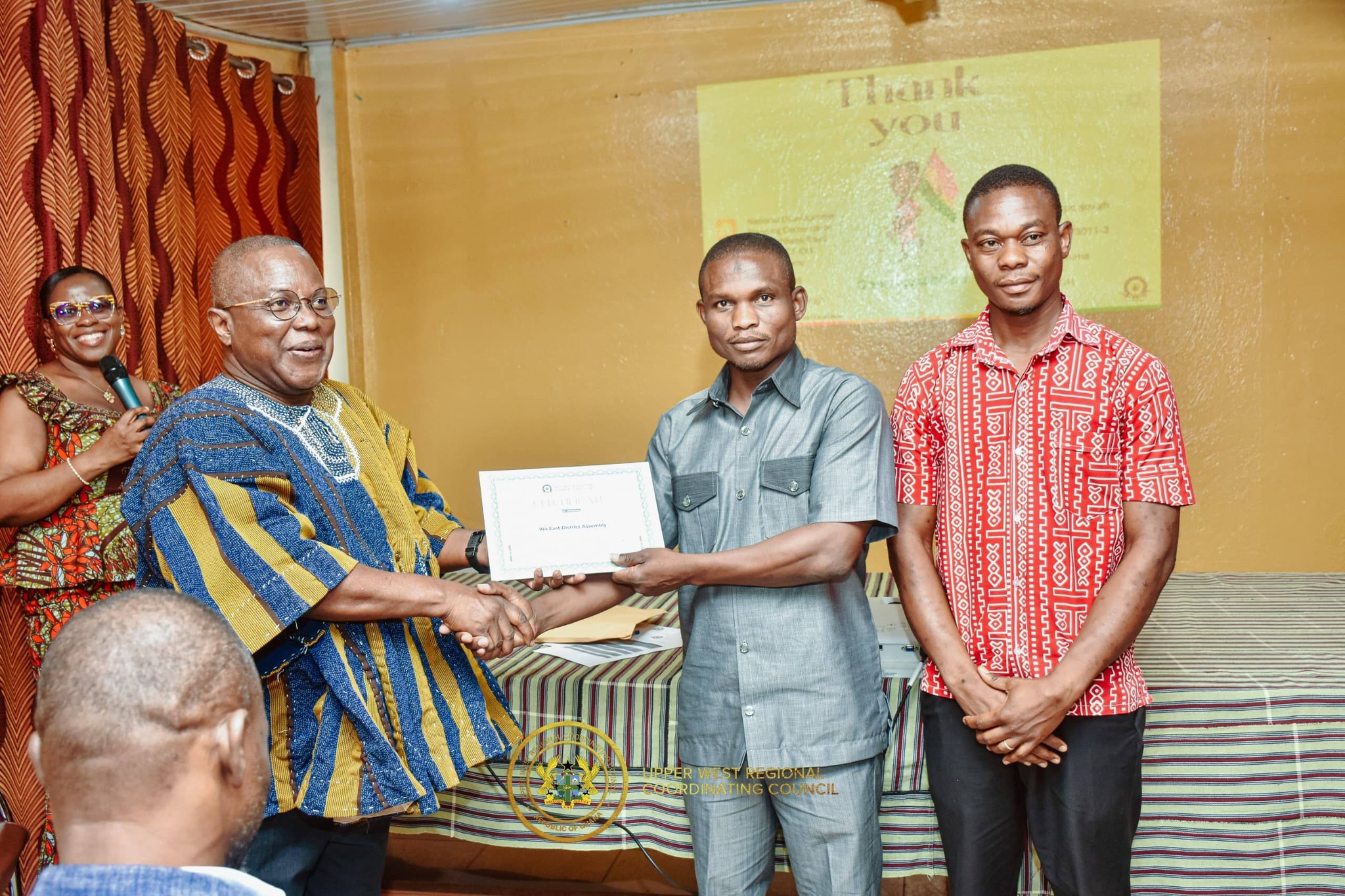
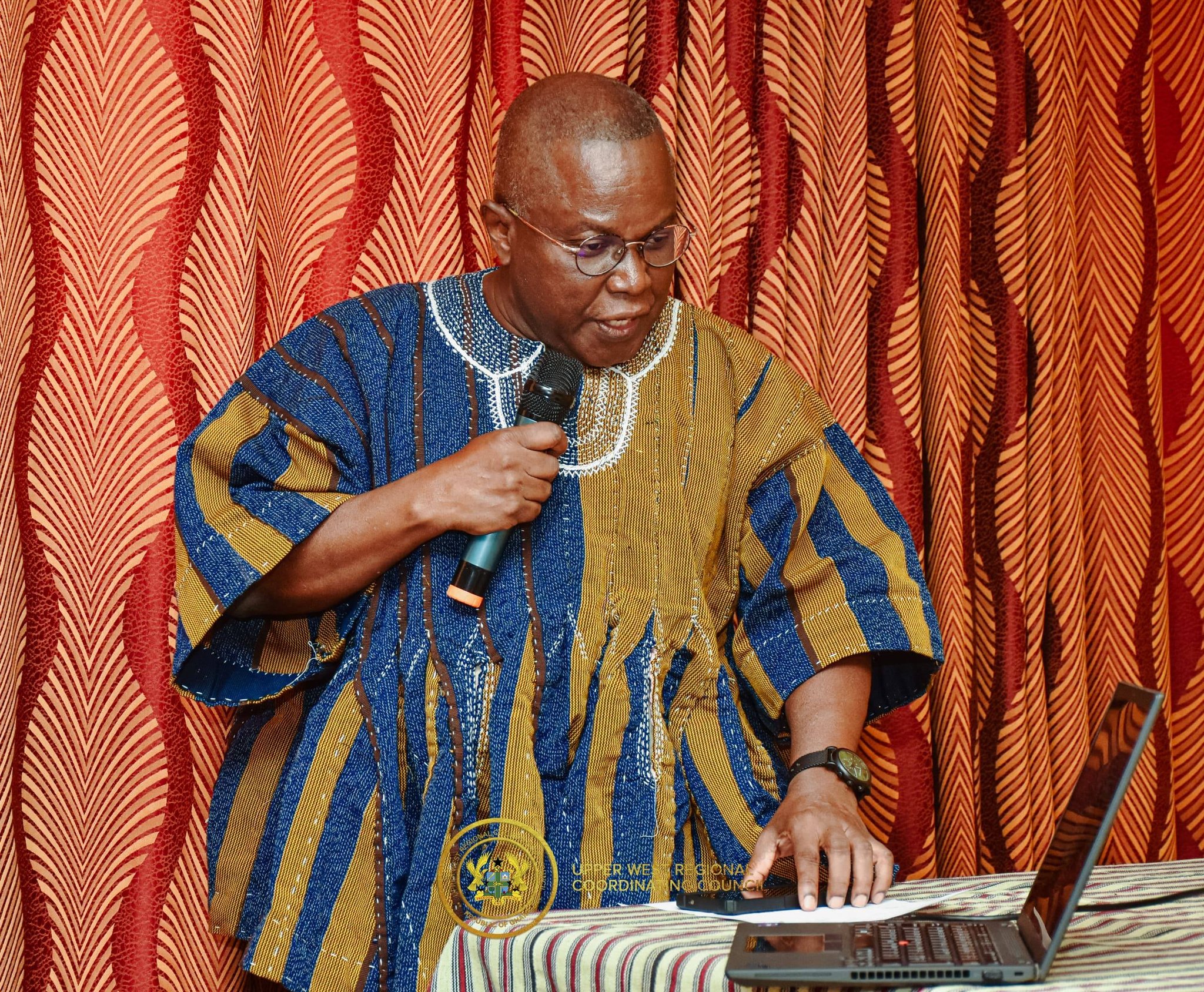
Wa, Upper West Region – The Upper West Regional Coordinating Council (RCC) was abuzz with anticipation as the Upper West Regional Minister, Hon. Charles Lwanga Puozuing (Esq.), delivered welcoming remarks at a significant engagement organized by the National Development Planning Commission (NDPC) on Monday, March 9, 2026. The event, held in the RCC conference room, brought together key stakeholders from across the region, including municipal and district assemblies, to deliberate on Ghana’s long-term development strategies.
In his address, Hon. Puozuing emphasized the critical nature of long-term planning in Ghana’s development journey, illustrating the nation’s commitment through various visionary frameworks, such as the 40-Year Long-Term National Development Plan, Ghana Beyond Aid Charter, Ghana@100 initiative, and Vision 2057. He articulated the need for these frameworks to be harmonized into a single, coherent Long-Term National Development Plan that would serve as a binding blueprint for the country’s future.
“The time has come for us to move beyond political cycles and embrace a stable, long-range development framework that focuses on structural transformation, inclusive economic growth, and strong governance systems. Our goal is to ensure that Ghana not only grows but does so sustainably and inclusively,” he stressed.
Hon. Puozuing highlighted the significance of unity in developmental planning, stating that a consolidated long-term strategy would eliminate policy fragmentation and enhance the alignment of national and sub-national planning initiatives. “This engagement is not just about planning; it’s about turning aspirations into actionable realities that benefit every community, from bustling Wa to our remotest villages,” he said, urging local leaders to actively contribute their insights during discussions.
The minister also underscored the unique challenges faced by the Upper West Region, including infrastructure deficits and socio-economic vulnerabilities. He noted that a coherent national development plan would greatly benefit the region by addressing these disparities and promoting equitable growth across Ghana.
“As we gather to examine our future today, let’s ensure that our local realities inform the national strategy. Your participation is crucial in shaping a plan that is not only realistic but also deeply rooted in the needs and aspirations of our people,” he urged attendees.
The event drew the participation of distinguished guests, including the Chairman of the NDPC, the Upper West Representative to the Commission, and representatives from the Regional House of Chiefs. Their collective wisdom and technical expertise were recognized as vital components in developing a robust national developmental agenda.
As discussions commenced, there was a palpable sense of purpose in the room, with each participant eager to contribute to the vision of a prosperous, inclusive, and resilient Ghana. The engagement not only marked a significant step towards a unified national development plan but also reinforced the commitment of local leaders to work collaboratively for the growth and advancement of the Upper West Region and the nation as a whole.
The gathering concluded with a shared determination to enhance coherence, foster collaboration, and set a solid foundation for Ghana’s development in the years to come. As Hon. Puozuing aptly stated, this is a vital opportunity for all stakeholders to contribute to laying a sustainable path forward, ensuring that no community is left behind in the nation’s march toward a brighter future.
648076787_1230066165965974_5402570186370013622_n

STRENGTHENING TIES: UPPER WEST REGIONAL PASSPORT OFFICE ENGAGED WITH UPPER WEST REGIONAL MINISTER, HON . CHARLES LWANGA PUOZUING ESQ.

STRENGTHENING TIES: UPPER WEST REGIONAL PASSPORT OFFICE ENGAGED WITH UPPER WEST REGIONAL MINISTER, HON . CHARLES LWANGA PUOZUING ESQ.

In a significant step towards enhancing service delivery and institutional cooperation, the Upper West Regional Passport Office recently paid a courtesy visit to Hon. Charles Lwanga Puozuing Esq., the Regional Minister, at his office. The delegation, led by Regional Passport Director Mr. Foster Frimpong, included esteemed representatives from the Ghana Immigration Service and the Bureau of National Investigations (BNI), marking a momentous occasion for collaboration in the region.
This visit, grounded in established governmental protocol, unfolded as an opportunity for the new Regional Passport Director to formally introduce himself to the Minister, highlighting it as his first interaction since assuming office. During the meeting, Mr. Frimpong articulated his ambitious vision for the Passport Office, emphasizing the urgent need for a dedicated Passport Application Centre in Wa. He requested a specific allocation of land to facilitate the development of this state-of-the-art facility, which seeks to address the increasing demand for passport services in the region.
Mr. Frimpong’s vision aligns seamlessly with the government’s commitment to decentralization and improved public service delivery, promising to enhance efficiency and accessibility while bolstering public confidence in the passport application process. The establishment of a purpose-built centre would not only streamline operations but also reflect a progressive approach to addressing the needs of the citizens.
Hon. Puozuing expressed his enthusiasm for the visit, commending the delegation for their proactive engagement and discussing operational dynamics affecting the region. The Minister assured the passport delegation of his unwavering support for their initiatives, recognizing the crucial role that passport services play in national security, migration management, and overall national development.
The Minister’s commitment to realizing the Passport Director’s long-term vision signals a promising future for passport services in the Upper West Region, echoing the sentiments of collaborative governance and community-focused progress.
As the meeting concluded, Hon. Puozuing reiterated the accessibility of his office and his openness to continuous dialogue with the Passport Office, emphasizing the importance of teamwork in achieving shared goals.
This constructive engagement not only exemplifies the spirit of cooperation between government institutions but also sets the stage for improved services that will benefit the citizens of the Upper West Region. The proposed developments paint a hopeful picture for enhanced accessibility in obtaining passports, a vital component for travel and identity in today’s interconnected world.
As we move forward, it is imperative that all stakeholders rally behind these efforts, ensuring that the aspirations of the Upper West Regional Passport Office are realized for the greater good of the community and nation at large.


WhatsApp Image 2026-02-27 at 2.26.59 PM

UPPER WEST REGION TAKES A BOLD STEP TOWARDS ENHANCED GOVERNANCE WITH 2026 PERFORMANCE CONTRACT SIGNING


UPPER WEST REGION TAKES A BOLD STEP TOWARDS ENHANCED GOVERNANCE WITH 2026 PERFORMANCE CONTRACT SIGNING.

In a remarkable display of commitment towards fostering accountability and improving service delivery, the Upper West Regional Minister, Charles Lwanga Puozuing Esq., addressed distinguished attendees at the signing of the 2026 Performance Contract held on Thursday, February 5, 2026, at the Regional Coordinating Council (RCC) Conference. The event saw the participation of Metropolitan, Municipal, and District Chief Executives (MMDCEs), presiding members, as well as heads of various departments, all convening to mark a crucial milestone in the region’s governance framework.

The 2026 Performance Contract, which serves as a vital component of the Government’s Performance Management System, is designed to translate national and regional development priorities into actionable and measurable commitments at the Assembly level. The aim is to invigorate institutional effectiveness, enhance service delivery, and fortify accountability within the decentralization framework.
Reflecting on the performance of the previous contract, Minister Puozuing was candid in his assessment, acknowledging that while some assemblies made commendable strides, the overall performance fell short of expectations. He highlighted key challenges such as inadequate financial resources, limited ownership of performance reforms, and weaknesses in following through on targets. These recurring issues, he noted, underscored the need for a renewal of commitment to leadership and institutional discipline.
Minister Puozuing emphasized a crucial point: the Performance Contract should not be perceived as an external demand from the RCC or the central government, but rather as an essential internal management tool aimed at fostering strategic planning and monitoring progress. “It’s time for all MMDAs to fully embrace and own this reform process,” he urged, setting the stage for a renewed commitment to excellence.
The Minister also underscored the importance of mobilizing available resources and adopting innovative strategies to tackle challenges, stating, “The 2026 Performance Contract presents an opportunity to reset our approach and strengthen implementation.” This sentiment reflects a wider call for cohesion and unity among local governance leaders, as they strive to meet the expectations of the people of the Upper West Region.
Additionally, he pointed out that the Performance Contract is underpinned by a clear system of rewards and sanctions. Assemblies that excel will be rewarded with recognition and additional support, while those that underperform risk facing administrative repercussions. This balanced approach aims to instill a culture of responsibility and competitiveness among the assemblies.
The overarching message from the Minister was a call to action: “The people of the Upper West Region expect visible improvements in governance and development outcomes.” This plea resonates deeply, as public servants are reminded of their duty to deliver transparency, diligence, and tangible results.
As we move forward into the operational year of 2026, it is imperative that the lessons learned from past performance contracts are applied to enhance accountability and improve overall service delivery across the region. With renewed commitment and collaboration, Minister Puozuing’s vision of a more accountable, transparent, and efficient regional governance structure is not only a possibility but an expectation.
In conclusion, the signing of the 2026 Performance Contract heralds a new chapter for governance in the Upper West Region. With collective dedication and a focus on measurable outcomes, local leaders are poised to embark on a transformative journey that promises to uplift the quality of life for all residents. The people of the Upper West Region deserve nothing less.


627742011_1204677555171502_2086218521229159542_n

GFA PRESIDENT ADVOCATES FOR SPORTS INFRASTRUCTURE DEVELOPMENT TO COMBAT YOUTH DRUG ISSUES IN GHANA

In a significant move for the future of sports in Ghana, Mr. Kurt Edwin Simeon-Okraku, the President of the Ghana Football Association (GFA), has embarked on a two-day tour of the region, engaging key stakeholders to discuss pressing issues facing the sporting community. A highlight of his visit was a courtesy call on the Regional Minister, where the two leaders discussed the crucial need for enhanced sports infrastructure.
During the meeting, Mr. Simeon-Okraku passionately urged the Regional Minister to prioritize the development of sports facilities across the region. He emphasized that investing in sports infrastructure is not just about building pitches and stadiums; it is about investing in the future of Ghana’s youth, providing them with a healthy outlet for their energy and aspirations.
The Regional Minister responded positively, acknowledging the timeliness and importance of the discussion. He revealed an innovative government initiative to utilize sports as a strategic tool in the fight against the escalating drug menace among the youth. This multifaceted approach indicates a recognition of the role of sports in fostering discipline, teamwork, and healthy living among young people, steering them away from negative influences.
In an exciting development, the Regional Minister announced that Malik Jabir, a distinguished former Black Stars player, has been tasked with developing a comprehensive proposal to enhance sports infrastructure in the region. This appointment signifies a proactive step toward realizing the vision of a more robust sporting environment, one that could pave the way for future generations of athletes to thrive.
Mr. Simeon-Okraku assured the Regional Minister of the GFA’s unwavering commitment to provide technical expertise in constructing and developing football pitches. His assurance reflects a collaborative spirit, highlighting the importance of partnerships between governmental and sporting bodies to drive meaningful change in the local sports landscape.
As the conversation around sports infrastructure intensifies, the potential to harness the power of sports in tackling societal issues becomes ever clearer. With the GFA’s support and the Regional Minister’s commitment, there is hope for a vibrant future where sports not only provide entertainment but also serve as a catalyst for positive change in the lives of Ghana’s youth.
The momentum generated from this meeting could well mark the beginning of a transformative era for sports in the region, offering renewed hope and opportunity for all.